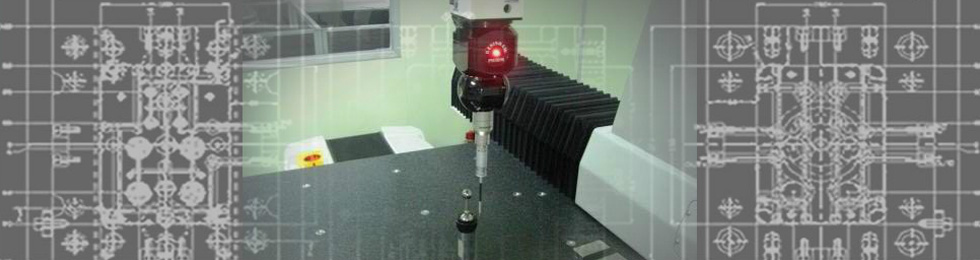
UTTMould provides injection mold design and DFM engineering support for plastic injection mold projects. The goal is to identify product and tooling risks before mold making, so buyers can reduce changes, delays and avoidable molding defects.
Our engineering team reviews plastic part structure, material, tolerance, surface finish, assembly conditions and production volume before recommending mold structure and tooling direction.
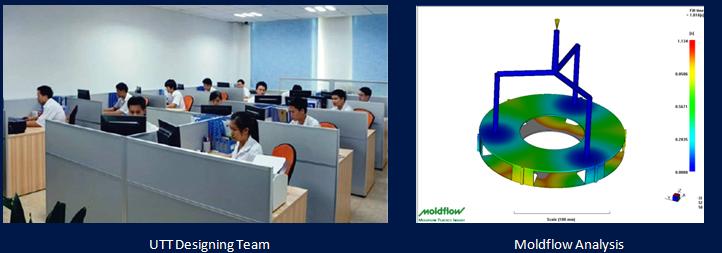
| Review Area | What We Check |
|---|---|
| Part geometry | Wall thickness, draft angle, ribs, bosses, undercuts, clips, threaded features and sharp corners |
| Mold structure | Parting line, gate location, runner system, ejection, sliders, lifters and demolding risks |
| Material behavior | Shrinkage, warpage risk, flow length, strength, temperature resistance and application needs |
| Appearance requirements | Texture, gloss, weld lines, sink marks, gate marks and visible surface requirements |
| Production target | Prototype tooling, low-volume molding, production tooling, mold life and expected annual volume |
| Quality requirements | Tolerances, assembly fit, inspection points and validation requirements |

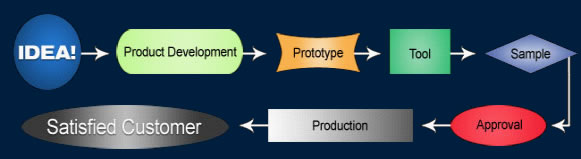
DFM means design for manufacturability. For injection molding, it reviews whether the plastic part design can be molded reliably, ejected safely and produced with stable quality.
Buyers should request DFM review before tooling quotation is finalized or before mold steel is cut, especially when the part has tight tolerance, cosmetic surfaces, clips, bosses, inserts or assembly requirements. Early review helps reduce tooling changes, schedule delays and unnecessary cost.
UTTMould checks wall thickness, draft angle, ribs, bosses, parting line, gate location, ejection, material shrinkage, cosmetic surfaces, tolerances, assembly fit and production risks before mold tooling starts.
Yes. UTTMould can review difficult demolding, undercut, wall thickness, gate and ejection conditions and provide mold design suggestions based on the project requirements.
Follow Us: 


Copyright © 2026 UTTMould All Rights Reserved Sitemap XML Quality Inspection Checklist Injection Mold Guide