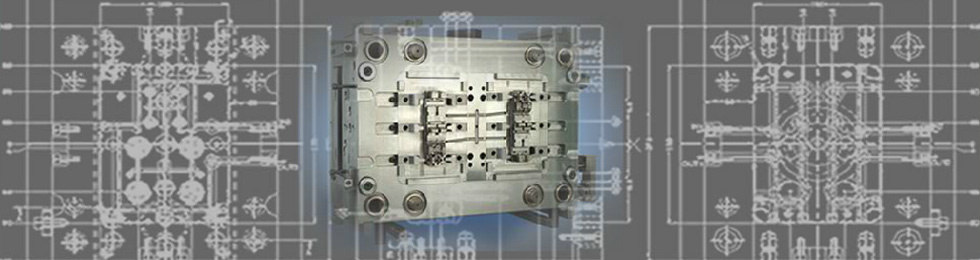
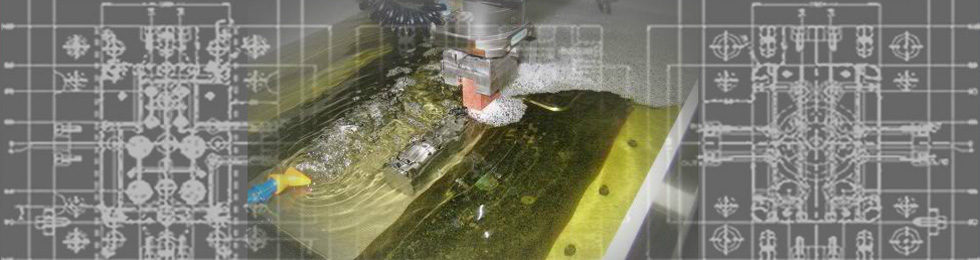
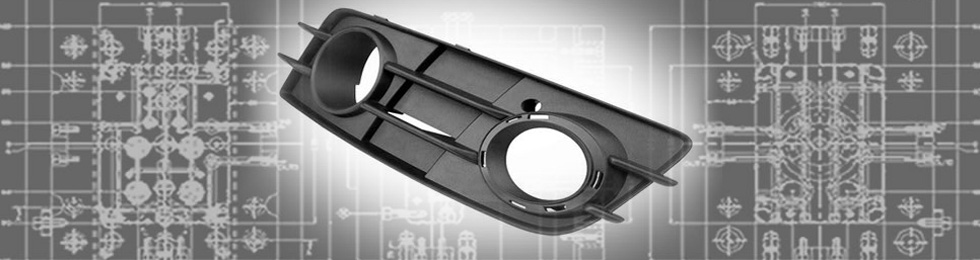
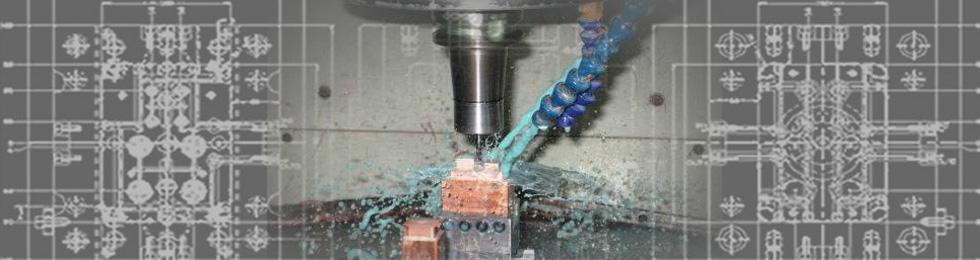
UTTMould provides plastic injection mold design and DFM engineering support for companies that need reliable molds before tooling investment. Our engineers review the part structure, material, wall thickness, parting line, gate location, ejection, cooling and mold steel selection so that each mold can be built for stable production.
We support custom plastic parts, automotive components, consumer products, electronic housings and precision molded parts. For new projects, we can work from 2D drawings, 3D CAD files or sample parts and provide practical recommendations before mold making starts.
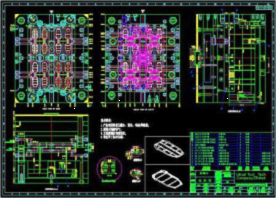
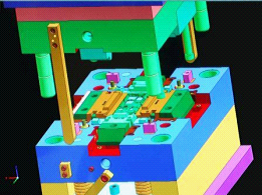
| Design Area | Engineering Focus | Project Value |
|---|---|---|
| DFM review | Wall thickness, draft angle, ribs, bosses, undercuts and shrinkage risk | Reduces rework before mold manufacturing |
| Parting line and shut-off | Parting surface, slider/lifter direction and visible mark control | Improves mold reliability and part appearance |
| Gate and runner design | Gate type, filling balance, weld line and pressure loss | Supports stable injection molding production |
| Cooling system | Cooling channel layout, cycle time and temperature control | Helps improve production efficiency |
| Ejection system | Ejector pins, sleeves, plates and demolding force | Protects part quality during release |
| Mold structure | Multi-cavity, hot runner, two-shot, overmolding, unscrewing and stack mold options | Matches the mold design to the product and volume |
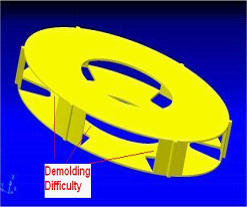
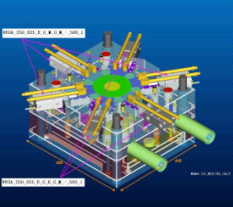
Our engineering team has experience with multi-cavity molds, hot-runner molds, two-shot molds, rotational structures, overmolding molds, unscrewing molds and stack molds. When a part has difficult demolding, thin walls, tight tolerance areas or cosmetic requirements, we look for mold structure solutions that are practical for both tooling and injection molding.
For the earlier part-review stage, see our designing capability and DFM review.

A good mold design reduces trial corrections, shortens the path from tooling to production and improves repeatability. For buyers comparing suppliers in China, mold design capability is an important sign that the factory can control more than price. It shows whether the supplier understands manufacturability, tool life, cycle time, quality control and long-term production stability.
UTTMould combines mold design, mold making, tooling capability, injection molding and quality control in one workflow. This helps customers move from part review to tooling and molded parts with fewer communication gaps.
Yes. UTTMould can review 3D CAD, 2D drawings or samples and provide DFM feedback before mold manufacturing begins.
Buyers should request DFM review before tooling quotation is finalized or before mold steel is cut, especially when the part has tight tolerance, cosmetic surfaces, clips, bosses, inserts or assembly requirements.
Important risks include wall thickness, draft angle, ribs, bosses, undercuts, gate location, parting line, ejection method, shrinkage and assembly fit. Review cosmetic surfaces, tooling risk and production stability before mold manufacturing begins.
Yes. We can support two-shot mold design, overmolding mold design and related structure planning based on the plastic materials and production requirements.
Yes. We review undercuts, sliders, lifters, unscrewing structures, draft angles and ejection systems to improve demolding reliability.
Please send 3D files, 2D drawings, material information, expected volume, surface requirements, tolerance notes and any known assembly or functional concerns. Confirm the CAD version, shrinkage information and sample approval requirements before tooling starts.
Resin shrinkage, flow behavior and processing temperature influence gate location, cooling, steel-safe areas, venting and part tolerance.
Critical dimensions can influence parting line, gate position, ejection, cooling and steel-safe adjustment strategy for T1 samples.
Follow Us: 


Copyright © 2026 UTTMould All Rights Reserved Sitemap XML Quality Inspection Checklist Injection Mold Guide