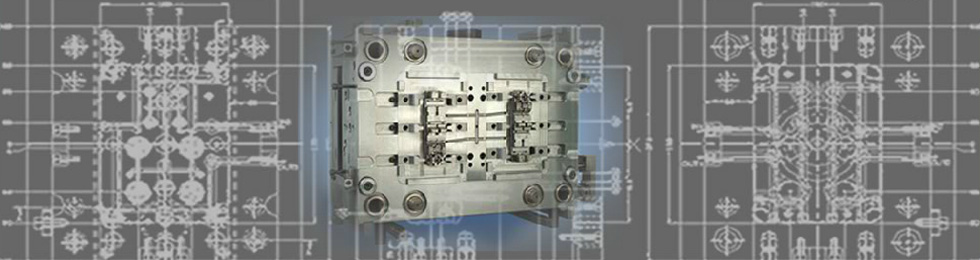
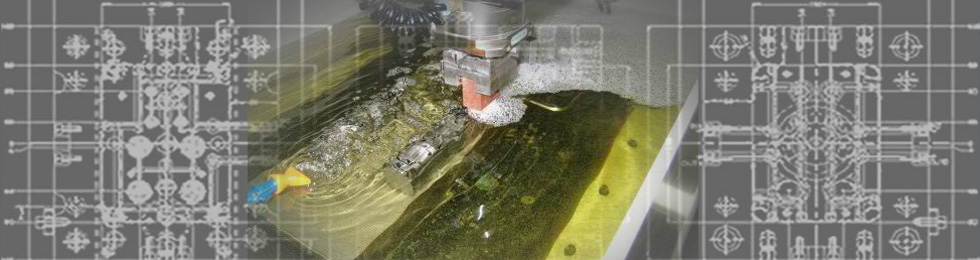
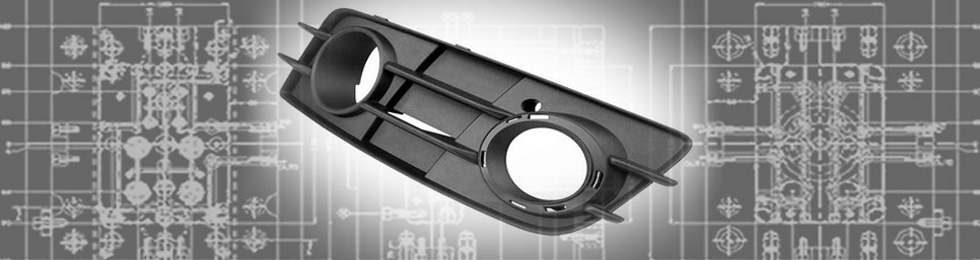
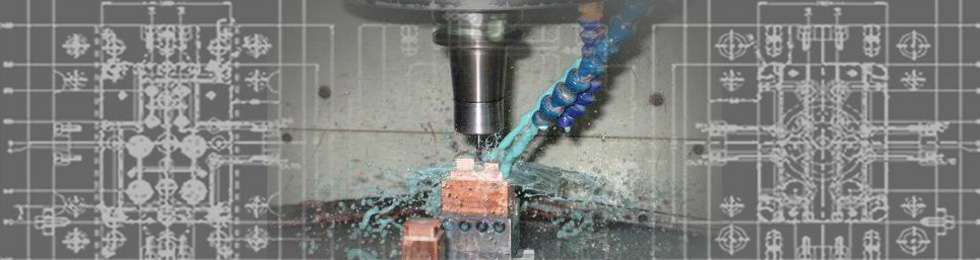
UTTMould is a plastic injection mold manufacturer in Huizhou, Guangdong, China. We support overseas buyers with DFM review, mold design, machining, assembly, mold trials, inspection and tooling modification for prototype, production and export mold projects.
Each tool is planned around the part function, resin, expected volume, tolerance, surface requirement, tool life and delivery schedule. This helps reduce late changes and gives buyers a clearer path from sample approval to molded-part production.
Send CAD files, drawings and project volume to request a tooling quote.
| Capability | Details |
|---|---|
| Mold types | Prototype tools, rapid tools, production tools, export tools, multi-cavity tools and automotive tools |
| Special molds | Two-shot molds, stack molds, unscrewing molds, overmolds, gas-assisted molds and die casting tooling |
| Project support | DFM review, mold design, mold flow support, machining, trial runs, modification and production transfer |
| Decision factors | Plastic material, annual volume, expected tool life, tolerance needs, surface finish and delivery schedule |
| Quality checks | Tooling inspection, trial part measurement, mold fitting checks and production validation |
| Output | Validated tools for sample testing, low-volume production, export projects and higher-volume manufacturing |
For an export mold, the main deliverable is a tool for the buyer's production equipment. For tooling retained at UTTMould, define the molded parts, sample approval and production requirements as well as the tool specification.
Email an Injection Mold RFQ or view UTTMould contact details. The email link opens a checklist for you to complete.
If the main deliverable is finished plastic parts, use the injection molded-part production RFQ.
Before an export injection mold is released for shipment, agree on how trial samples, inspection results, outstanding corrections and receiving-machine requirements will be reviewed. A first successful trial does not by itself complete mold acceptance. The documents, spare parts and checks included in the handover should be defined in the project agreement.
Use the T1 sample review checklist to organize the trial discussion. Confirm acceptance criteria before tooling starts through the export mold RFQ checklist.
These are items to confirm for the individual project, rather than a promise that every document or spare part is included in every mold order. See the top-and-bottom housing mold case for an example of mold trials and small-batch trial production before acceptance and delivery.
No. Mold acceptance addresses the agreed tooling requirements and handover. Approval of a molded-part order also covers the resin, quantity, inspection, packaging and batch-release requirements. If the mold stays at UTTMould for part production, use the injection molded-part production checklist.
| Factor | Prototype Tooling | Production Tooling |
|---|---|---|
| Best use | Samples, functional testing and small-batch production | Stable design and long-term mass production |
| Initial cost | Usually lower | Usually higher |
| Lead time | Usually faster | Longer due to higher tooling requirements |
| Design flexibility | Easier to modify | More expensive to change after approval |
| Tool life | Shorter to medium | Designed for higher production volume |
For a mold-making project, define whether the deliverable is an export mold, a tool for sample validation or tooling for ongoing part production. Compare rapid and production tooling requirements when selecting the tool specification. If the main deliverable is molded parts, review the injection molding project requirements.
This export tooling project used a specified 4+4-cavity arrangement for paired housings. UTTMould handled mold design and manufacturing, followed by trials and small-batch trial production. The mold was accepted and delivered.
See the mold construction, project specification and trial photographs
Mold life depends on steel choice, part material, product structure, cavity count and maintenance plan. UTTMould can recommend prototype, rapid or production tooling based on expected volume.
A 3D CAD file is most important. A 2D drawing, material requirement, annual volume, surface finish, tolerance details and sample requirements help make the quote more accurate.
Yes. UTTMould can build export molds for customer production lines or build molds that stay with UTTMould for molded-part production and delivery.
Yes. We review wall thickness, draft, ribs, bosses, gate location, parting line, ejection, undercuts and other moldability risks before tooling begins.
Yes. Trial runs, part measurement, tooling adjustment and modification are part of the validation process before final production approval.
Follow Us: 


Copyright © 2026 UTTMould All Rights Reserved Sitemap XML Quality Inspection Checklist Injection Mold Guide