
Quick answer: The cost and lead time of an injection mold made in China depend on part geometry, mold structure, steel grade, cavity count, surface requirements, tolerance, resin and expected production volume. A reliable sourcing process starts with complete CAD data and DFM review, then moves through mold design approval, machining, assembly, T1 sampling, correction, inspection and final approval.
This buyer guide explains the four questions most international teams ask before placing an injection mold order in China: What affects cost? How long will the project take? What should DFM include? How should quality be verified? It also provides a practical RFQ checklist that helps buyers receive more accurate quotations and avoid preventable delays.
Injection Mold Manufacturing in China at a Glance
| Area | What the Buyer Should Confirm | Why It Matters |
|---|---|---|
| Part data | 3D CAD, 2D drawing, critical dimensions and revision level | Defines geometry, tolerances and quotation scope |
| Production target | Annual quantity, lifetime volume and molding location | Guides cavity count, steel and mold construction |
| Material | Exact resin grade, color, additives and shrinkage data | Affects gate design, cooling, wear and part dimensions |
| Appearance | Texture, polish, weld-line limits and visible surfaces | Changes tooling work and acceptance standards |
| Quality plan | Sample quantity, inspection report and approval method | Prevents disagreement at T1 and final acceptance |
What Determines Injection Mold Cost?
A mold quotation is not based only on part size. The largest cost drivers are the engineering work and manufacturing resources required to create a stable molding process.
- Part complexity: undercuts, side actions, lifters, threads, inserts and complex shutoffs increase design and machining work.
- Cavity count: more cavities can increase production output but require larger mold bases, balanced filling and more precise machining.
- Mold steel: prototype, bridge and long-life production molds need different steel, hardness and wear resistance.
- Tolerance: tight dimensions require more machining control, fitting, inspection and process validation.
- Surface finish: high polish, optical surfaces, texture and appearance requirements add specialized work.
- Resin: glass-filled, flame-retardant, corrosive or high-temperature materials can require stronger and more resistant tooling.
- Cooling and cycle-time targets: efficient cooling may require more complex water circuits, inserts or special manufacturing methods.
- Export requirements: mold standards, spare parts, connectors, documentation, packaging and destination molding machines affect the final scope.
For a useful comparison, buyers should request an itemized quotation that identifies the mold steel, cavity number, mold base, hot or cold runner, expected mold life, sample quantity and included engineering changes. Comparing only the total price can hide important differences in scope.
How Long Does an Injection Mold Project Take?
The following ranges are general planning references, not guaranteed delivery times. The actual schedule depends on design approval speed, complexity, steel availability, machining workload, trial results and the number of correction rounds.
| Stage | Typical Planning Range | Main Buyer Action |
|---|---|---|
| RFQ and initial DFM | 1-5 working days | Answer material, quantity and tolerance questions |
| Mold design approval | 3-10 working days | Review parting line, gate, ejection and interface standards |
| Prototype or rapid tooling | About 2-5 weeks | Confirm the validation objective and sample plan |
| Production tooling | About 4-10+ weeks | Approve design and change requests without unnecessary delay |
| T1 review and correction | 1-3+ weeks | Provide consolidated sample and dimensional feedback |
Schedule risk is usually reduced when the project starts with complete information and one controlled revision. See also how to reduce manufacturing delays with China injection molding.
What Should a DFM Review Cover?
DFM should turn a product model into clear tooling decisions before steel is cut. A useful review normally covers:
- Draft angles and ejection direction.
- Wall thickness, thick transitions, ribs and bosses.
- Parting line, shutoffs and visible witness marks.
- Gate type, gate position and likely weld-line locations.
- Ejector pin positions and acceptable marks.
- Undercuts, sliders, lifters and removable inserts.
- Shrinkage, warpage and tolerance risks.
- Texture, polish and cosmetic surface protection.
- Cooling approach and areas likely to retain heat.
- Assembly interfaces and critical dimensions.
The buyer should approve the DFM conclusions and the final mold design as separate milestones. This creates a traceable engineering decision before machining begins. UTTMould supports design and engineering review and mold design for injection mold projects.
Prototype, Rapid or Production Tooling?
| Tooling Route | Best Used For | Primary Decision |
|---|---|---|
| Prototype tooling | Design validation and functional molded parts | What must be learned before production investment? |
| Rapid tooling | Faster trials, bridge production and early market supply | How should speed, tool life and change flexibility be balanced? |
| Production tooling | Repeat manufacturing and higher lifetime volume | What tool life, cycle time and maintenance standard are required? |
For a more detailed comparison, visit the rapid tooling and production tooling guide.
How Should Mold Quality Be Verified?
Quality should be checked throughout the project rather than only after the mold is complete. A practical control plan may include:
- Approved DFM and mold design records.
- Steel certificate and key material verification when required.
- Machining and mold-fitting checks.
- T1 molding parameters and sample identification.
- Dimensional inspection for critical characteristics.
- Appearance review against agreed standards.
- Correction list with responsibility and completion status.
- Final mold trial, approved samples and shipment checklist.
- Spare parts, drawings and maintenance information for export molds.
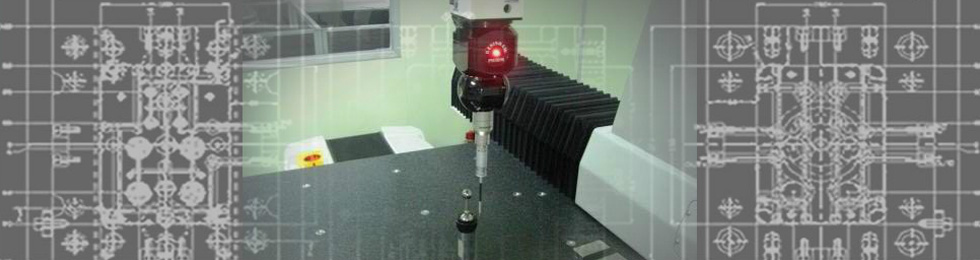
The exact documents should be agreed before the order. Buyers can review UTTMould's injection mold quality control process and main manufacturing equipment.
A Practical Sourcing Workflow
- Define the production objective. State whether the tool is for validation, bridge production, export or long-term molding.
- Send complete RFQ data. Include CAD, drawing, resin, quantity, color, finish and critical quality requirements.
- Compare technical scope. Review structure, steel, cavities, runner, tool life, sample and correction terms.
- Approve DFM and mold design. Record decisions before steel cutting.
- Track milestones. Confirm design approval, steel preparation, machining, assembly and T1 dates.
- Review T1 systematically. Combine dimensional, appearance, function and assembly feedback into one controlled list.
- Approve production or export. Confirm samples, reports, mold condition, spare parts, packaging and handover documents.
UTTMould Manufacturing Facts
According to the UTTMould factory profile, the business began with mold design and consulting in 1996 and opened its own mold-making factory in 2004. The current YUSU Precision factory is located in Huizhou, Guangdong, China, with an area of approximately 10,000 square meters, more than 110 qualified employees and annual output of more than 300 sets of export molds. Project support includes DFM, mold design, mold making, mold trials, inspection and plastic injection molding.
These figures describe the company's published operating profile. The suitable tooling route, schedule and inspection plan still need to be confirmed for each individual project.
Injection Mold RFQ Checklist
- Latest 3D CAD file and drawing revision.
- Exact plastic resin and commercial grade.
- Annual volume and expected lifetime quantity.
- Required cavity number, if already defined.
- Critical dimensions and tolerance standard.
- Color, texture, polish and cosmetic surfaces.
- Insert molding, overmolding or assembly requirements.
- Destination molding machine and mold standard.
- Required trial quantity and inspection report.
- Target date and delivery location.
A complete RFQ reduces assumptions and gives both buyer and supplier a clearer basis for cost, lead time and responsibility. For project review, use the UTTMould contact page.
Frequently Asked Questions
How much does an injection mold cost in China?
There is no reliable single price without part and production data. Geometry, mold steel, cavity count, runner system, tolerance, finish, resin and expected tool life all affect the quotation. Buyers should compare the complete technical scope, not only the total price.
How long does injection mold manufacturing take?
Simple prototype or rapid tools may be planned in weeks, while complex production molds often require a longer design, machining, fitting and trial cycle. Buyer approval time and correction rounds also affect the final schedule.
What files are needed for an accurate mold quotation?
Provide 3D CAD, a 2D drawing when available, resin, expected quantity, finish, color, critical tolerances, application information and the required mold or part delivery location.
Should buyers request DFM before ordering a mold?
Yes. DFM helps identify draft, wall thickness, gate, parting line, ejection, shrinkage and cosmetic risks before machining begins. Important DFM decisions should be approved in writing.
How can an overseas buyer verify mold quality?
Agree on inspection criteria before ordering, review DFM and mold design, request identified trial samples, check critical dimensions and record all corrections. Export mold documentation and final handover requirements should also be defined in the purchase scope.
Cost and RFQ Resource
Tolerance and Inspection Resource
Material, DFM and Tolerance Resources
Before tooling starts, buyers should confirm resin grade, shrinkage, tolerance, cosmetic surfaces and inspection requirements so DFM review, mold cost and T1 sample approval are based on clear information.


