
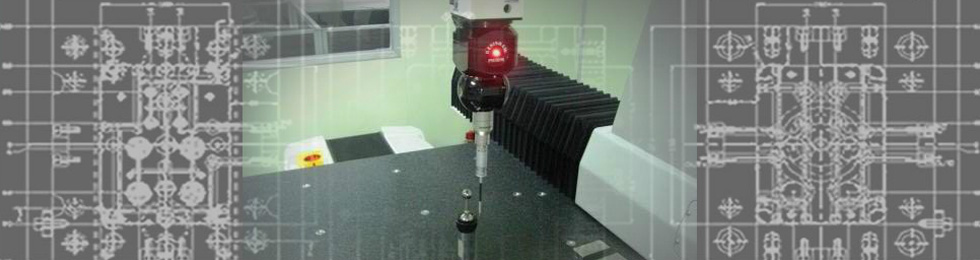
Quick answer: Rapid tooling accelerates product design and engineering by turning CAD concepts into real molded parts faster. It helps teams validate fit, function, material behavior and assembly risks before committing to long-life production tooling.
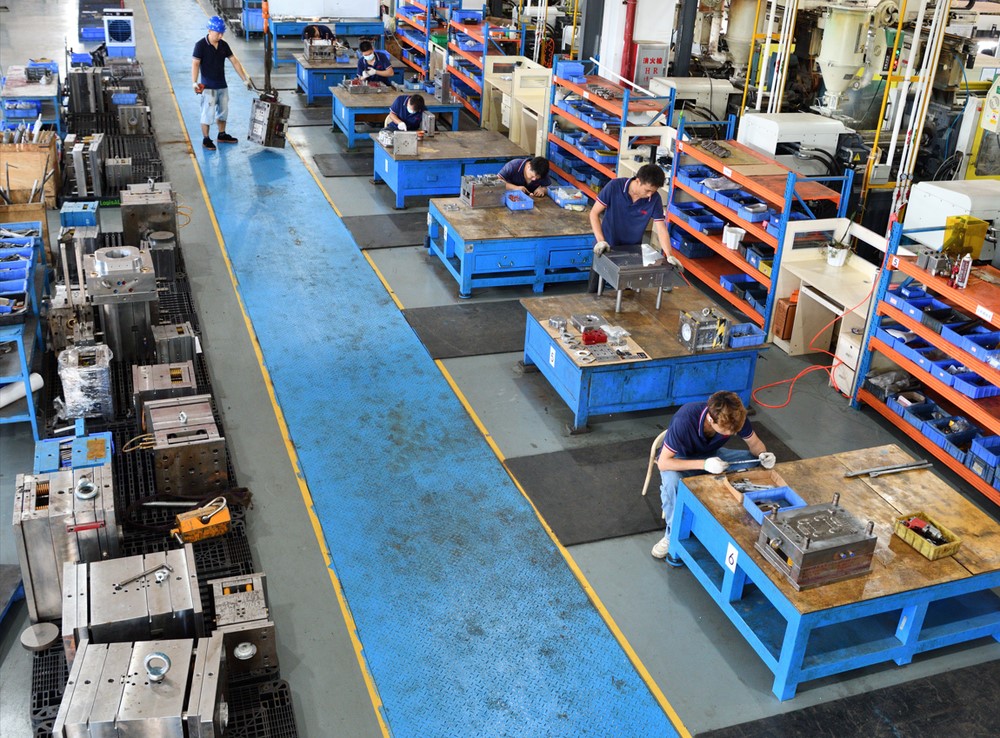
The best product ideas in history have one thing in common: someone found a faster way to test them. In modern manufacturing, rapid tooling is that accelerator. It bridges the gap between a concept sketch and a market-ready product in a shorter timeline than conventional tooling routes.
For engineers and designers, the value is practical: faster samples, clearer test data, lower development risk and a more confident path toward production. This guide explains how rapid tooling compresses timelines, reduces uncertainty and keeps product innovation moving.
What Is Rapid Tooling?
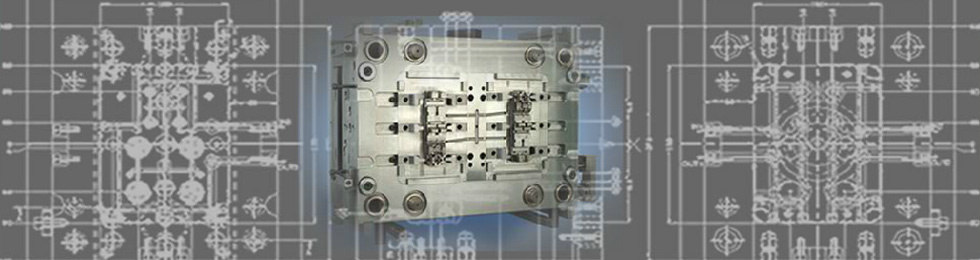
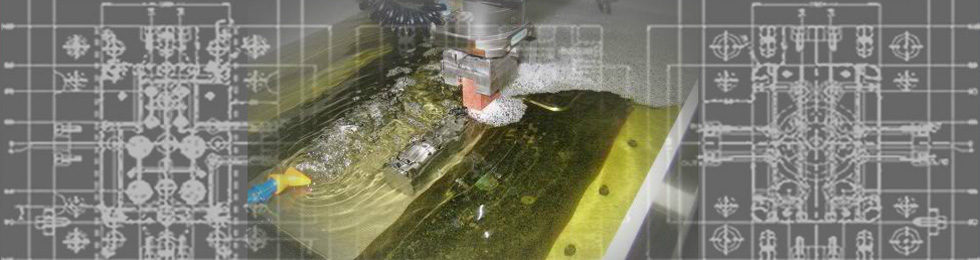
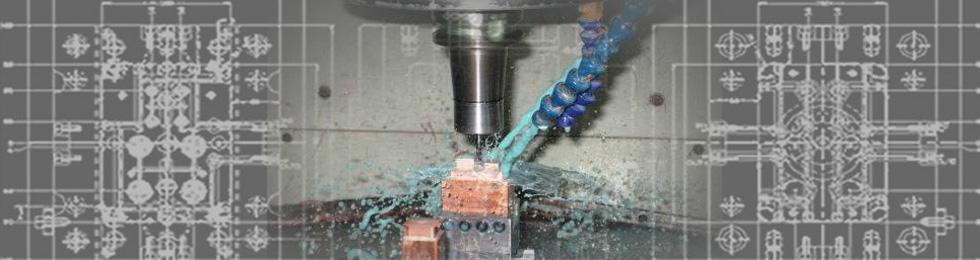
Rapid tooling refers to the faster production of molds, dies and manufacturing tools using methods such as CNC machining, EDM, additive manufacturing support and simplified tooling structures. Unlike conventional production tooling, which is usually designed for long-term high-volume manufacturing from the start, rapid tooling is often built for speed, validation and early-stage production needs.
The goal is not only to make a tool quickly. The real goal is to help engineering teams test a product with physical parts, collect useful feedback and improve the design before larger investment begins.
How Rapid Tooling Powers the Product Development Cycle
Faster Design Validation Means Fewer Costly Mistakes
Every product has flaws that only show up in physical form. Rapid tooling lets engineers produce real parts quickly, identify design weaknesses early and correct them before committing to expensive full-scale production. Finding a structural defect during the prototype phase is far less expensive than finding it after mass production has started.
Prototype Tooling Turns Concepts Into Testable Realities
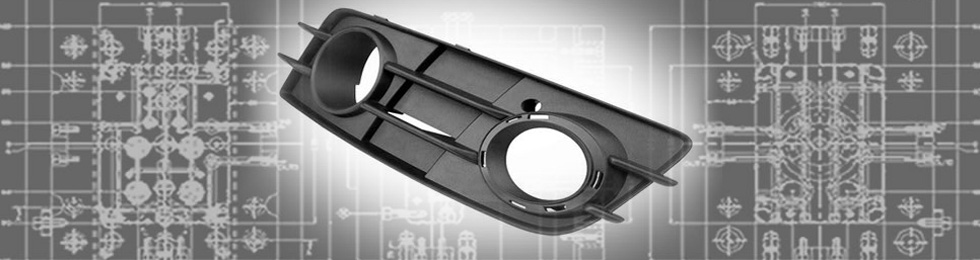
Prototype tooling is the creation of short-run molds or tools designed to produce early-stage test parts. These tools are usually not built for maximum longevity. They are built for practical speed, accuracy and design feedback. They give product teams a physical version to evaluate, stress-test and present to stakeholders without waiting for a permanent tooling setup.
Parallel Development Tracks Become Possible
Traditional tooling often forces teams to work in sequence: design, then tool, then test. Rapid tooling allows design review and tooling preparation to overlap more effectively. Engineering teams can test several design iterations, compare the outcomes and choose the best alternative with less schedule pressure.
Prototyping Tooling Supports Real-World Performance Testing
Prototyping tooling goes beyond appearance models. It can produce functional parts from production-equivalent materials, allowing teams to conduct stress, fit and assembly testing. This level of fidelity makes the data more useful because the test part behaves closer to the final product.
Shorter Feedback Loops Keep Design Teams Agile
When a design revision takes months to validate through tooling, teams hesitate to make bold changes. When a rapid tooling route shortens the review window, iteration becomes easier. Engineers can propose improvements, test them quickly and refine the product without losing control of the timeline.
Rapid Tooling vs Production Tooling
| Factor | Rapid Tooling | Production Tooling |
|---|---|---|
| Best use | Design validation, samples, pilot runs and low-volume production | Stable products, repeatable high-volume production and long-term manufacturing |
| Timeline | Usually faster because the tool is built around validation needs | Usually longer because the tool must support durability, cycle stability and maintenance |
| Design flexibility | Easier to adjust after testing and trial feedback | Changes are more expensive after approval |
| Tool life | Shorter to medium tool life depending on material and project needs | Built for higher cycles and repeatable mass production |
| Project risk | Helps validate the product before larger investment | Works best after the design has already been proven |
Production Tooling Transitions Happen With Less Risk
Production tooling refers to the final, high-durability molds used in full-scale manufacturing. Rapid tooling can de-risk this transition because by the time production tooling is commissioned, the design has already been physically validated.
This is especially useful for products with tight assembly requirements, cosmetic standards, engineering plastics or functional performance targets. The more a team learns during the rapid tooling phase, the fewer surprises remain when the project moves toward production.
It Reduces Time-to-Market Without Ignoring Quality
Speed without quality creates new problems. Rapid tooling works best when speed is paired with clear engineering review, trial validation and inspection. Because issues are caught earlier in the development process, the product arriving at production tooling is already more refined.
A supplier with mold manufacturing, trial and quality control capability can help buyers review gate location, wall thickness, draft angle, parting line, material behavior and dimensional results before production release.
Cross-Industry Applications Make It a Practical Tool
Rapid tooling is not limited to one sector. Automotive, consumer electronics, medical devices, aerospace, appliances and industrial equipment all benefit from faster tooling cycles. Any industry where product complexity meets competitive pressure can use rapid tooling to test ideas and reduce manufacturing risk.
Quote Checklist for Rapid Tooling Projects
| Information to prepare | Why it matters |
|---|---|
| 3D CAD file and 2D drawing | Allows the tooling team to review structure, tolerance and manufacturability. |
| Plastic material and application | Material affects shrinkage, tool design, strength, finish and testing value. |
| Target quantity and annual volume | Helps decide whether rapid tooling or production tooling is more suitable. |
| Surface finish and cosmetic requirements | Reduces late changes after samples are molded. |
| Testing purpose and schedule | Helps the supplier plan the right tooling route and approval checkpoints. |
Send CAD files, expected quantities, possible design changes and sample acceptance requirements for a rapid tooling quote review.
The Bottom Line
Innovation does not wait, and neither should the tooling process. Rapid tooling gives product teams the freedom to test boldly, refine quickly and reach production with confidence.
For manufacturers looking to sharpen their competitive edge, pairing rapid tooling with DFM review, mold trials and molded-part production creates a more practical path from concept to approved parts. UTTMould supports buyers with rapid tooling and production tooling, mold manufacturing, molded plastic part production and inspection support for development and manufacturing projects.
Frequently Asked Questions
How does rapid tooling differ from traditional tooling in terms of material quality?
Rapid tooling can use materials such as aluminum or tool steel depending on project needs. The right choice depends on part material, expected quantity, tolerance, finish and testing requirements.
Is rapid tooling suitable for low-volume production runs beyond prototyping?
Yes. Rapid tooling can support low to mid-volume runs when the tool design, material and part requirements match the project. It is often useful for market testing, bridge production and limited product launches.
How many design iterations can be completed with rapid tooling?
The number depends on part complexity, tooling changes and approval speed. Many projects use rapid tooling to complete multiple physical iterations faster than a conventional production tooling route would allow.
What is the cost difference between rapid tooling and production tooling?
Rapid tooling often has a lower initial cost for validation and small batches, while production tooling usually requires a higher upfront investment for durability and long-term repeatability. The best choice depends on volume, tool life, material and quality requirements.
Can rapid tooling support complex geometries?
Yes. When paired with CNC machining, EDM, careful mold design and, when appropriate, additive manufacturing support, rapid tooling can help test complex undercuts, thin walls and detailed surface features.
Related capability pages
- Plan the tooling route on the rapid tooling and production tooling page.
- Review mold build, trial and modification support on the injection mold manufacturing page.
- Check early DFM decisions on the mold design support page.
- Move approved tools into molded plastic part production when samples are validated.


