
Quick answer: Manufacturing delays in China injection molding can be reduced by completing DFM review early, confirming material and tolerance requirements before tooling, using rapid tooling when speed matters, keeping clear approval checkpoints, and validating mold quality before mass production begins.
China plastic injection molding can support fast, scalable and cost-effective production, but delays still happen when product specifications are unclear, tooling changes repeat, material decisions are late or communication is not structured. The right manufacturing process makes the schedule more predictable from design review to shipment.
What Buyers Should Know About China Injection Molding
For overseas buyers, China injection molding is not only a price decision. A reliable project also depends on mold design review, material planning, T1 sample validation, dimensional inspection, production stability and clear communication across time zones.
The most efficient China injection molding projects usually follow a structured path: CAD and drawing review, DFM feedback, mold design confirmation, mold making, trial molding, sample inspection, correction approval and production release. When these steps are documented, buyers can reduce avoidable rework and keep the launch schedule under control.
Main Causes of Injection Molding Delays
| Delay risk | What usually causes it | How to reduce it |
|---|---|---|
| Tooling revisions | Draft, wall thickness, gate position or parting line issues found too late. | Run DFM and mold structure review before mold steel is cut. |
| Material changes | Plastic grade, shrinkage, flame rating or color approval is delayed. | Confirm resin, additives, color and compliance needs before tooling. |
| Sample approval delays | T1 samples reveal dimensional, cosmetic or assembly problems. | Use clear drawings, inspection standards and approval criteria. |
| Communication gaps | Changes are shared informally or approvals are not documented. | Use written checkpoints for DFM, tooling start, T1, correction and production. |
| Production instability | Cooling, warpage, sink marks, flash or cycle-time issues appear during molding. | Validate the mold through trials, process tuning and quality inspection. |
Start With DFM Before Tooling Begins
Many injection molding delays begin before the mold is built. A part may look complete in CAD, but it may still contain molding risks such as thick walls, sharp transitions, weak ribs, difficult undercuts or poor gate locations.
A professional China injection molding supplier should review the part for moldability before production starts. DFM review helps confirm draft angles, wall thickness, parting line strategy, gate position, ejector layout, surface requirements and assembly risks. When these items are solved early, tooling can move faster with fewer corrections.
Use Mold Flow and Tooling Review for Higher-Risk Parts
For complex parts, mold flow analysis and mold structure review can reduce uncertainty before cutting steel. These checks help identify potential filling imbalance, weld lines, air traps, warpage and cooling problems.
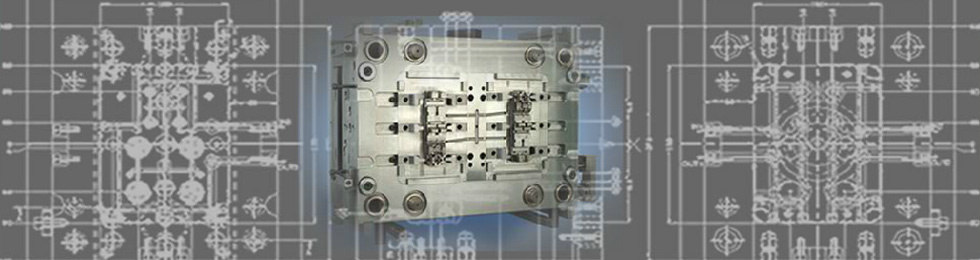
UTTMould's mold design and engineering capability supports early review so buyers can identify manufacturability issues before they affect the production schedule.
Choose Rapid Tooling When Speed Matters
Not every project needs a full production mold at the beginning. If the goal is market testing, bridge production or early functional validation, rapid tooling can shorten the path from design to molded parts.
Rapid tooling is useful when the design is close to final, the quantity is limited, and the project needs real molded plastic parts faster than a traditional production tooling route. Once the product is validated, the project can move toward production tooling or mass production molding.
Confirm Material, Finish and Tolerance Requirements Early
Material selection affects shrinkage, cycle time, cooling behavior, strength, surface finish and cost. Changing material after mold design can create delays because the mold and process may need adjustment.
Before tooling starts, confirm the plastic material, color, texture, surface finish, cosmetic grade, tolerance requirements, assembly conditions and regulatory needs. For engineering plastics, also confirm temperature resistance, impact strength, flame rating or chemical resistance if they are important to the final application.
Build a Clear Approval Schedule
Injection molding projects move faster when everyone understands the next decision point. A practical schedule should include CAD confirmation, DFM approval, tooling start, machining update, T1 trial, sample inspection, correction approval, pre-production run and final production release.
Each checkpoint should have a responsible person, required documents and approval deadline. This simple structure reduces misunderstandings between engineering, purchasing and the manufacturer.
China Injection Molding Quote Checklist
| Information to prepare | Why it matters |
|---|---|
| 3D CAD files and 2D drawings | Allow the supplier to review mold structure, tolerance and manufacturability. |
| Plastic resin, color and compliance needs | Material selection affects shrinkage, tooling design, quality control and delivery time. |
| Expected order quantity and annual volume | Helps choose rapid tooling, prototype tooling or production tooling. |
| Surface finish, texture and cosmetic standard | Reduces late changes after T1 samples are molded. |
| Target lead time and approval contact | Keeps DFM, sample approval and production release moving without delays. |
Control Quality Before Mass Production
Rushing into production before the mold is validated can create bigger delays later. Mold trials, dimensional inspection, appearance review and functional testing help confirm that parts are ready for stable production.
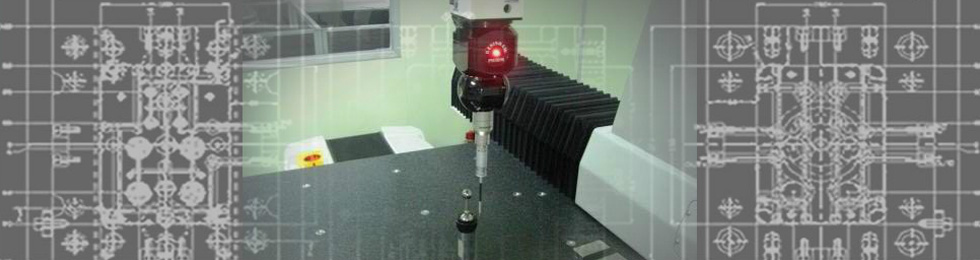
UTTMould's quality control process includes tooling checks, mold trials, first article inspection and production validation. These steps reduce the chance of shipment delays caused by avoidable defects.
How UTTMould Helps Reduce Injection Molding Delays
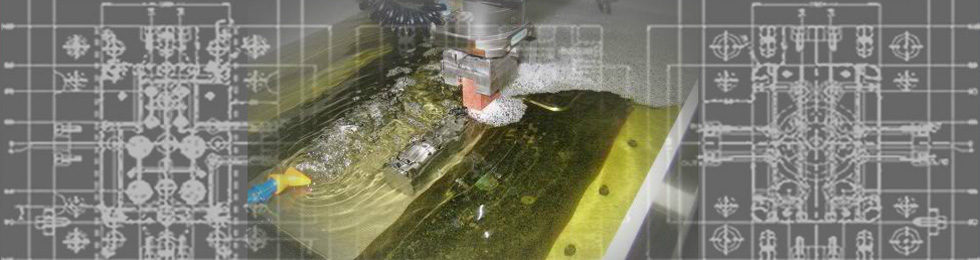
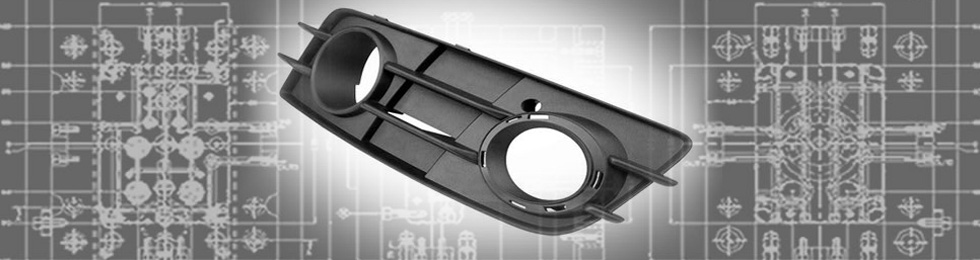
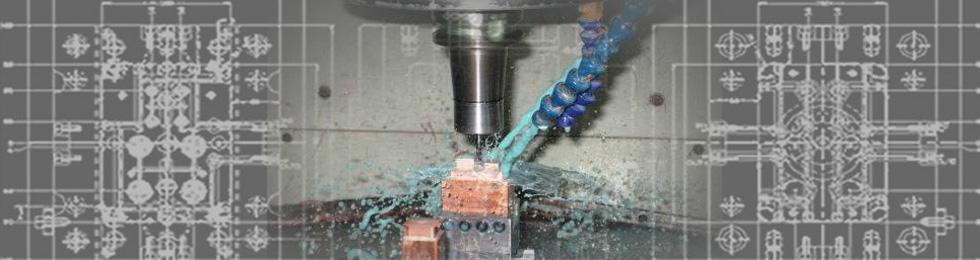
UTTMould supports overseas buyers with plastic mold making, injection molding, rapid tooling, production tooling, mold trials and molded plastic part production in China. The goal is not only faster tooling, but a more predictable workflow from design review to finished parts.
For the most accurate schedule, send 3D CAD files, 2D drawings, material requirements, expected quantity, tolerance notes, surface finish requirements and target delivery date. With complete information, UTTMould can review tooling risks earlier and recommend the most efficient molding route.
Frequently Asked Questions
Why do injection molding projects get delayed?
Common causes include incomplete product specifications, late design changes, tooling revisions, unclear material requirements, slow sample approvals and quality issues found after production starts.
How does DFM reduce injection molding delays?
DFM identifies moldability risks before tooling begins. It helps correct wall thickness, draft angle, ribs, undercuts, gate position and parting line issues early, reducing expensive mold corrections later.
Can rapid tooling reduce lead time?
Yes. Rapid tooling can shorten lead time for prototype molding, bridge production and low-volume plastic parts when the project needs molded samples faster than a full production mold route.
What information should I provide for a faster quote?
Send 3D CAD files, 2D drawings, plastic material, annual quantity, first order quantity, surface finish, tolerance requirements, color, application and target delivery schedule.
How does quality control help avoid production delays?
Quality control catches tooling, dimensional, cosmetic and functional issues before mass production. Mold trials, first article inspection and process validation reduce the risk of late rework or shipment delays.
Related capability pages
- Start with mold design support to reduce DFM and tooling revision risk.
- Review injection mold manufacturing for tool build, trial and modification steps.
- Use rapid tooling for bridge projects and faster validation when suitable.
- Confirm inspection planning on the quality control page before production approval.


