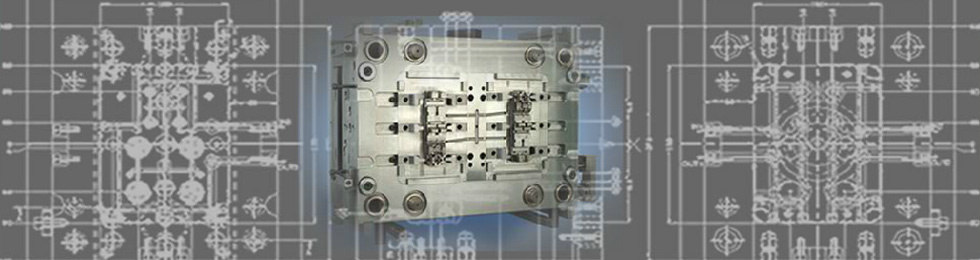
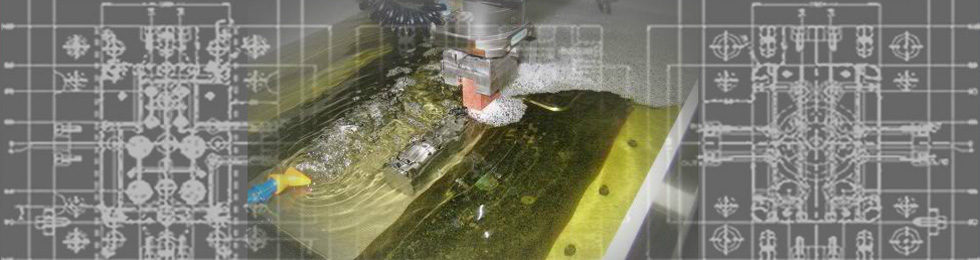
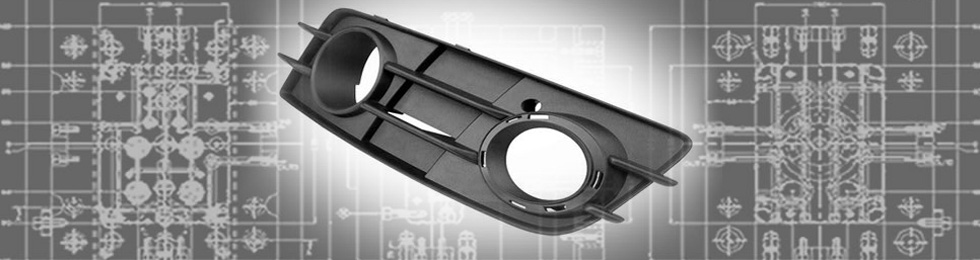
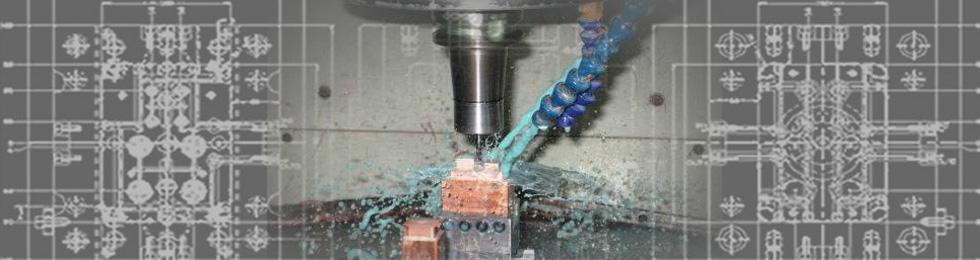
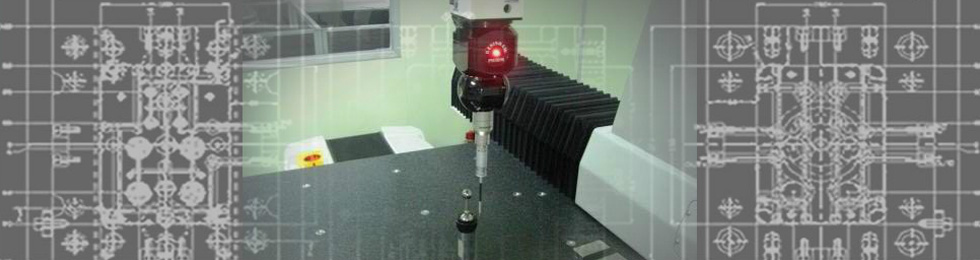
Plastic injection molds provide unparalleled scalability by replicating complex geometries in seconds. Through optimized cooling and multi-cavity designs, manufacturers achieve consistent +/- 0.05mm tolerances across millions of cycles
Speed matters when a product moves from concept to market. A brilliant design means little if production cannot keep up with demand. This is where plastic injection molds quietly power modern manufacturing. These tools allow businesses to create thousands of identical parts with remarkable consistency and efficiency.
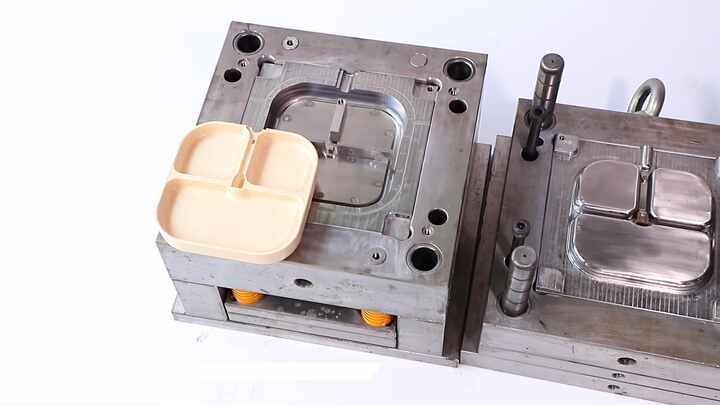
From consumer electronics to automotive components, manufacturers rely on precise mold engineering to produce complex plastic parts rapidly. When paired with early-stage development methods such as a Sheet Metal Prototype, companies can validate designs before committing to full-scale mold production. The result is a manufacturing process that balances speed, precision, and scalability.
The strength of plastic injection molds lies in their accuracy. Once a mold is engineered and tested, it can produce identical parts repeatedly without variation. This level of consistency is critical for industries where small dimensional differences can cause product failure.
Each injection cycle takes only seconds or minutes, allowing manufacturers to create large volumes in a short period. Because the mold defines every feature of the part, there is minimal need for post-processing. That efficiency allows businesses to meet growing demand without sacrificing quality.
Modern molding facilities operate with advanced automation. Machines inject molten plastic into molds, cool the material, and eject the finished component in a continuous cycle. Human involvement is limited to supervision and quality checks.
This automated rhythm drastically shortens production time. Once plastic injection molds are installed, the manufacturing process becomes predictable and highly repeatable. Companies can scale production from small batches to mass manufacturing without redesigning the entire workflow.
Manufacturers often test their designs through rapid prototyping before investing in molds. A Sheet Metal Prototype can help engineers evaluate structural strength, dimensions, and functionality during the early stages of product development.
This validation step reduces the risk of costly design revisions after mold fabrication. Businesses ensure that Plastic Injection Molds produce parts that meet exact performance expectations from the first production run by refining the product first.
| Feature (闂傚倸鍊搁崐鐑芥倿閿曞倹鍎戠憸鐗堝笒閸ㄥ倸鈹戦悩瀹犲缂佹劖顨堥埀顒€绠嶉崕鍗炍涢鐐╂灁濞寸姴顑嗛悡鏇㈡煏婢舵ê鏋涘褜鍨堕弻娑氣偓锝庝憾閸庢棃鏌熼鐓庢Щ闁宠姘︾粻娑㈠箼閸愌勵潟闂傚倷鑳舵灙妞ゆ垵妫濋獮鎴﹀炊椤掆偓閺嬩線鏌熼崜褏甯涢柡鍛倐閺屻劑鎮ら崒娑橆伓) | Rapid Tooling (闂傚倸鍊搁崐鎼併偑閹绢喖纾婚柛鏇ㄥ€嬭ぐ鎺戠<闁绘劘灏欓敍娑欑節閻㈤潧孝婵炲眰鍊濋幃鐐哄垂椤愮姳绨婚梺鍦劋閸ㄧ敻鍩€椤掍焦鍊愮€殿喖鎲¢幆鏃堝Ω閿曗偓娴犲搫顪冮妶鍡欏缂佽尪濮ょ粋宥夊箥椤旂懓浜鹃悷娆忓缁€鈧紓鍌氱Т閿曨亜顕i锕€绠荤紓浣股戝▍銏ゆ⒑鐠恒劌娅愰柟鍑ゆ嫹) | Mass Production (婵犵數濮烽弫鍛婃叏娴兼潙鍨傜憸鐗堝笚閸嬪鏌曡箛瀣偓鏇㈢嵁閵忋倖鐓冮柛婵嗗閳ь剝宕电划鏃堟煥鐎n剛鐦堢紒鍓у钃辨い顐躬閺屾盯濡歌濞呮洘淇婇崣澶婂鐎殿喗鎸虫慨鈧柣妯虹-閳ь剦鍓熷铏规喆閸曨偄濮㈠銈嗘处閸欏啴濡撮崨鏉戣摕闁靛濡囬崣鍡涙⒑缂佹ɑ绀€闁稿﹤婀遍埀顒佺啲閹凤拷) |
|---|---|---|
| Steel Grade (闂傚倸鍊搁崐鎼佸磹妞嬪海鐭嗗〒姘e亾闁挎繄鍋ゅ鎾閻樿尙鈧參姊洪崨濠勭畵閻庢哎鍎崇槐鎾愁潩椤撴繄绠氶梺闈涚墕閹冲酣寮抽悢濂夋富闁荤喐婢橀弳杈ㄣ亜椤撯剝纭堕柟鐟板閹煎綊宕烽鐐残熼梻鍌欒兌缁垶宕樻繝姘闁跨噦鎷�) | Aluminum / P20 Steel | Hardened S136 / H13 / 718H |
| Cavitation (闂傚倸鍊搁崐鐑芥嚄閸洖鍌ㄧ憸鏃堝箖濡警娼╂い鎺戭槹缂嶅酣鎮峰⿰鍛暭閻㈩垱甯掓晥闁哄被鍎查悡銉╂煟閺囩偛鈧湱鈧熬鎷�) | 1 - 2 Cavities | 8 - 64+ Multi-Cavity |
| Cycle Time (闂傚倷娴囬褍霉閻戣棄鏋佸┑鐘宠壘绾捐鈹戦悩鎻掓殶妞も晜鐓¢弻锝夊箛椤栨侗浠╅悗瑙勬尫缁舵岸寮诲☉銏犵労闁告劦浜栧Σ鍫㈢磽娓氬洤浜滅紒澶婄秺瀵鈽夐姀鈺傛櫇闂佹寧绻傚Λ娑⑺囬妸鈺傗拺闁圭ǹ楠搁崰鏇㈡煙閸戙倖瀚�) | 30 - 60 seconds | 5 - 20 seconds (High Speed) |
| Mold Life (濠电姷鏁告慨鐑姐€傞挊澹╋綁宕ㄩ弶鎴濈€銈呯箰閻楀棝鎮為崹顐犱簻闁瑰搫妫楁禍楣冩⒑閸濄儱鏋庨柣蹇旂箞椤㈡岸濡烽埡浣虹潉闂佸壊鍋嗛崰搴ㄥ焵椤掑倹鏆慨濠傤煼瀹曞ジ鎮㈤幁鎺嗗亾閹烘嚚褰掓偐椤旇偐浼堥梺鍝勭灱閸犳挾鍒掗悽鍨枂闁告洦鍋掓导锟�) | 1,000 - 50,000 shots | 1,000,000+ shots |
| Best For (闂傚倸鍊搁崐鎼佸磹妞嬪孩顐介柨鐔哄Т绾惧鏌涢弴銊ョ仩缁惧墽鎳撻埞鎴︽偐鐎圭姴顥濋梺鍝勵儎缁舵岸寮婚弴銏犻唶婵犲灚鍔栫瑧闂備礁婀遍幊鎾绘偉婵傜ǹ钃熼柨婵嗩槸缁狅綁鏌i幇顒侇棡闁搞劌娼¢獮鍐偨閸涘﹥娅㈤梺璺ㄥ櫐閹凤拷) | Testing & Low Volume | Global Market Scalability |
*Technical Data: How different plastic injection molds support diverse production scales.*
Although mold creation requires an initial investment, the long-term production cost per part becomes remarkably low. Materials and cycle times remain predictable once the tooling is complete.
Plastic Injection Molds provide a clear advantage for businesses expecting high demand. The process supports rapid output while maintaining tight tolerances, which helps companies control costs as production volumes increase.
Manufacturing success often depends on the ability to scale quickly without losing quality. Plastic Injection Molds make that possible by combining precision tooling with rapid production cycles.
When supported by early testing methods such as a Sheet Metal Prototype, manufacturers can move from idea to mass production with confidence. The result is a reliable production system capable of delivering consistent components at the speed modern markets demand.
1. Why are Plastic Injection Molds
important for mass production?
Plastic Injection Molds allow manufacturers to produce
large quantities of identical plastic parts with high accuracy. Once the mold
is built, production cycles run quickly, enabling companies to scale
manufacturing without compromising consistency or product quality.
2. How do Plastic Injection Molds
reduce production time?
The molding process operates in rapid cycles where
molten plastic fills the mold cavity, cools, and releases the finished part.
Because this process repeats continuously, manufacturers can produce thousands
of components in a short time.
3. What role does a Sheet Metal
Prototype play before mold production?
A Sheet Metal Prototype allows engineers to test a
design闂傚倸鍊搁崐鐑芥嚄閸洖纾婚柕濞炬櫅绾惧潡鏌$仦璇插姕闁稿锕㈤弻銊╂偆閸屾稑顏� shape, strength, and assembly compatibility before creating a
permanent mold. This step helps identify improvements early, preventing
expensive modifications during mass production stages.
4. Are Plastic Injection Molds
suitable for complex product designs?
Yes. Injection molding supports intricate geometries,
thin walls, and detailed surface textures. Skilled mold designers can
incorporate complex features into the tooling, enabling manufacturers to
produce sophisticated plastic components efficiently.
5. How long can Plastic Injection
Molds last in production?
High quality molds built from durable tool steel can
produce hundreds of thousands or even millions of parts. Proper maintenance and
controlled production environments extend mold lifespan and maintain consistent
product accuracy.
A validated injection mold can repeat the same part geometry over many cycles, helping production scale while keeping dimensions and surface finish stable.
Cycle time depends on part design, material, cooling, mold structure, cavity count, machine setup and the stability of the molding process.
Buyers should confirm tool trial results, material, inspection plan, packaging needs and whether the project needs molded plastic part production or export tooling.
Follow Us: 


Copyright © 2026 UTTMould All Rights Reserved Sitemap XML Quality Inspection Checklist Injection Mold Guide