Injection mold cost is not only a tooling price. For overseas buyers, the final budget depends on part design, mold structure, steel selection, cavity count, runner system, surface finish, tolerance, material, expected production volume and the amount of DFM work needed before tooling starts.
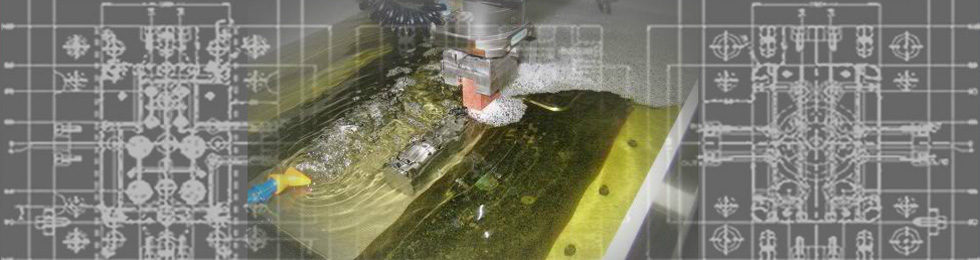
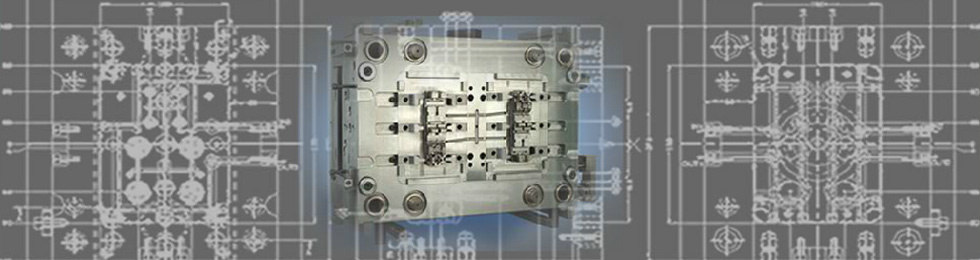
The main factors in injection mold cost are part size, part complexity, undercuts, wall thickness, required tolerance, mold steel, cavity count, runner system, surface finish, expected tool life, molding material and inspection requirements. Buyers should confirm these points during RFQ and DFM review before approving tooling.
A mold quote can look attractive when only the headline price is compared. However, a low quote may exclude design review, difficult slides, polishing, texture, mold trial time, dimensional inspection or later modifications. A useful quotation should explain the tooling scope behind the price.
Before starting tooling, buyers should connect cost review with DFM review, RFQ preparation and the expected T1 mold trial plan.
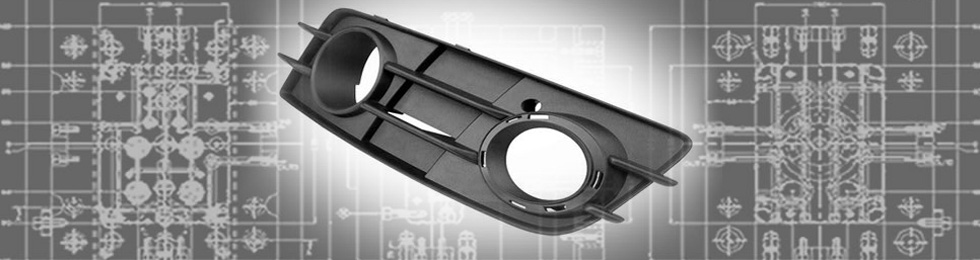
Larger parts usually require larger mold bases, more steel, longer machining time, larger injection molding machines and higher material consumption. Part weight also affects production cost because every molded part uses resin, runner material and cycle time.
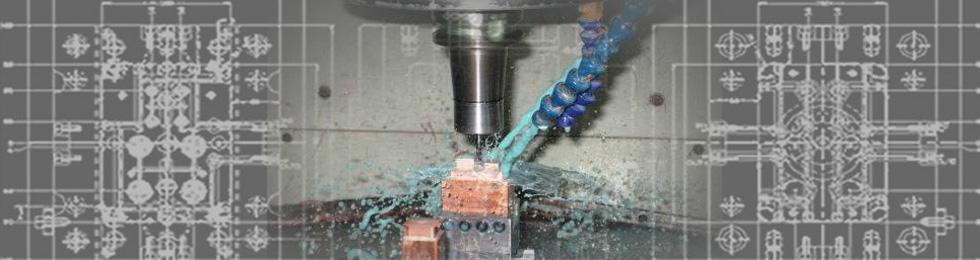
Clips, holes, side openings, threads, deep ribs and complex parting lines can require sliders, lifters, inserts or unscrewing structures. These mechanisms increase mold design time, machining work, fitting work and maintenance requirements.
Prototype tooling, rapid tooling and production tooling often use different steel and build standards. A short-run validation mold should not be compared directly with a high-volume production mold. Buyers should ask what steel is used and what tool life the quotation is based on.
Single-cavity molds usually cost less to build but produce fewer parts per cycle. Multi-cavity molds cost more upfront but can reduce unit part cost for higher-volume production. Hot runner systems add cost but can reduce runner waste and improve molding efficiency in suitable projects.
Tight tolerances, mirror polishing, texture, visible surfaces and cosmetic gate restrictions all influence tooling work. If cosmetic surfaces are not marked during RFQ, the supplier may quote a simpler mold design that later needs changes.
ABS, PP, PC, PA, POM, TPE and glass-filled materials can require different gate, cooling, venting, shrinkage and steel decisions. Material uncertainty can lead to quotation assumptions, so buyers should confirm resin grade or at least the expected material family early.
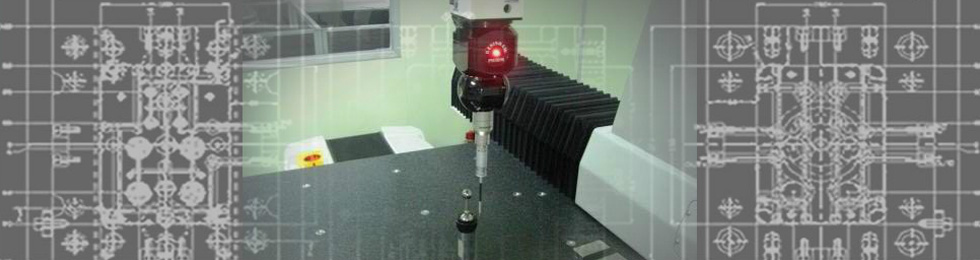
The cost of tooling should include a realistic path to approval: mold trial, sample review, defect analysis, modification if needed, dimensional inspection and final confirmation. Buyers can use a quality inspection checklist to define what should be checked before production.
UTTMould reviews mold cost together with part design, mold structure, DFM risks, production volume and quality requirements. This helps buyers understand what is included in the quotation and which choices affect cost, lead time and production stability.
For related planning steps, review our injection mold manufacturing guide, mold design mistakes guide and send CAD files for RFQ review.
Before tooling starts, buyers should confirm resin grade, shrinkage, tolerance, cosmetic surfaces and inspection requirements so DFM review, mold cost and T1 sample approval are based on clear information.
Use these buyer resources together when preparing DFM review, RFQ details, T1 sample approval and production quality planning.
Follow Us: 


Copyright © 2026 UTTMould All Rights Reserved Sitemap XML Quality Inspection Checklist Injection Mold Guide