Price is typically the first thing that comes to mind when sourcing tooling from overseas. However, what precisely are you paying for? A specially designed steel or aluminum tool used to precisely shape molten plastic into items is called a plastic injection mold in China. For mass manufacturing in the consumer goods, automotive, electronics, and medical sectors, these molds are necessary. The given price includes much more than just raw materials. We will dissect every pricing element in this guide so you can confidently negotiate and assess prices.
This article focuses specifically on the cost components of plastic injection molds in China, including design work, steel selection, machining, mold trials and production volume. For a broader sourcing view that also covers lead time, DFM review, quality control and RFQ preparation, read the main guide: Injection Mold Manufacturing in China: Cost, Lead Time, DFM and Quality Guide.
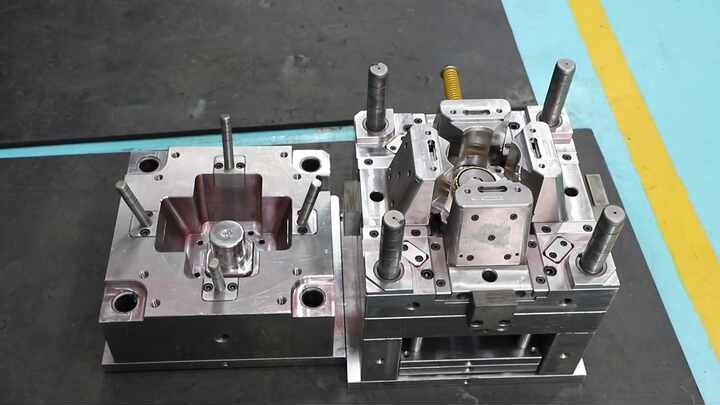
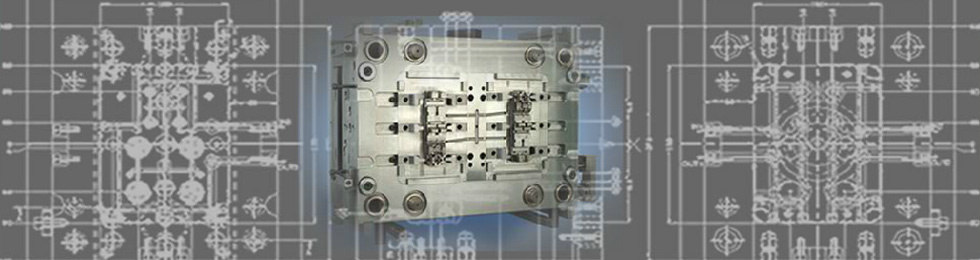
Manufacturers examine your product design, wall thickness, shrinkage rate, and manufacturing volume before cutting steel. It is possible to estimate how plastic will fill the hole by doing mold flow analysis. Expert engineers provide technical drawings and intricate 3D designs. Increasing engineering hours due to a complex part shape has a direct impact on total cost. So investing in a solid design up front saves money on costly changes later.
Pricing is heavily influenced by the type of steel utilized. While pre-hardened steel may be less expensive, it wears down more quickly. In contrast, high-quality hardened steel lasts longer and can withstand large manufacturing quantities. Although aluminum molds are less expensive, they are usually better suited for smaller numbers. The decision is based on part complexity and anticipated manufacturing cycles. Although higher-quality materials improve accuracy and durability, they also increase the initial tooling cost.
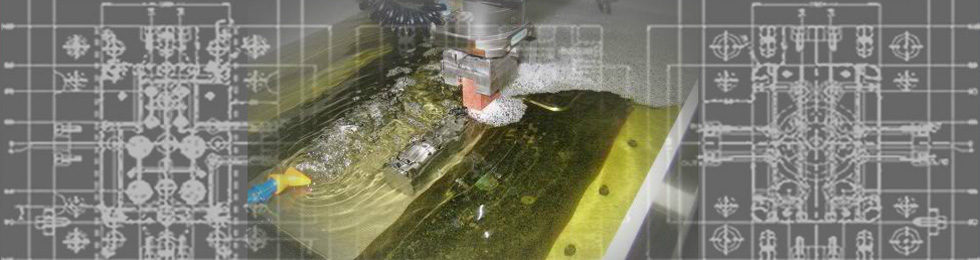
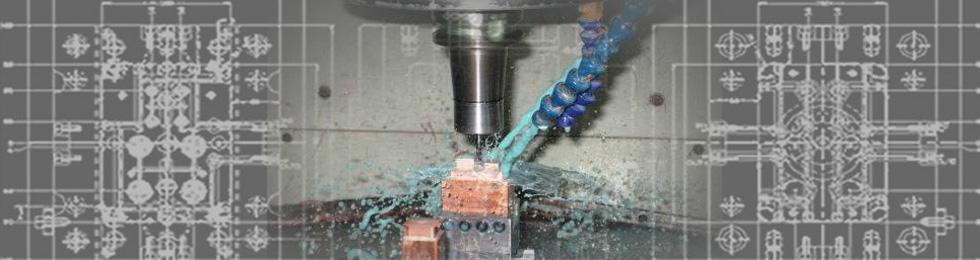
Following the selection of materials, machining starts. EDM processing, fitting, polishing, and advanced CNC machines are all needed for qualified technicians. Global buyers find tooling appealing since labor costs in China are competitive when compared to many other regions. However, machining time depends on the level of accuracy required. Careful processing and inspection are required for tight tolerances. A comprehensive quote should take into account not just the raw production time but also the degree of craftsmanship needed.
Mold structure affects prices more than many consumers expect. A high-output multi-cavity system is more expensive than a basic single-cavity mold. The following other mechanisms also increase the price:
Every new feature increases performance or efficiency while also increasing the need for design and machining.
To guarantee component accuracy and surface polish, molds go through trial runs before shipment. Sampling helps find flaws like shrinkage or warping. It could be necessary to make changes to meet the final requirements. Quality checks verify performance and dimensional correctness. You won't get a tool that malfunctions during mass production with these validation procedures. Testing lowers long-term production risks and unplanned downtime, but it increases initial costs.
| Mold Category (濠电姷鏁告慨鐑姐€傞挊澹╋綁宕ㄩ弶鎴濈€銈呯箰閻楀棝鎮為崹顐犱簻闁瑰搫妫楁禍楣冩⒑閸濄儱鏋庨柣蹇旂箞椤㈡岸濡烽埡浣虹潉闂佺ǹ鏈划搴ㄦ晬濠婂啠鏀介柣鎰綑閻忥箓鏌ㄩ弴妤佹珔閸楅亶鏌涘┑鍡楃弸闁哄啫鐗婇崑鎴︽煕濞戝崬鏋涙い蹇ユ嫹) | Typical Steel (闂傚倸鍊烽悞锕傛儑瑜版帒鏄ラ柛鏇ㄥ灠閸ㄥ倸霉閸忓吋缍戠紒鐘靛劋缁绘繃绻濋崒婊冾暫闂佸搫顑勭欢姘跺蓟閺囥垹閱囨繝鍨姈鏁堥梻浣虹帛閹稿爼宕规禒瀣摕闁哄浄绱曢悿鈧繝鐢靛Т閸婃悂鍩涙径宀€纾介柛灞炬皑閳诲矂鏌熼崙銈嗗) | Tool Life (闂傚倸鍊峰ù鍥敋瑜旈弻濠囨晲閸涒晝绱伴悷婊勬楠炲啫螣鐞涒剝鏂€闁诲函缍嗘禍鐐烘偪閸ヮ剚鈷戦悹鎭掑妼濞呮劙鏌熼崙銈嗗/濠电姷鏁告慨鐑藉极閹间礁纾绘繛鎴烆焸濞戙垹绠绘い鏃囧亹椤斿棝姊虹捄銊ユ珢闁瑰嚖鎷�) | Price Range (USD) |
|---|---|---|---|
| Prototype / Rapid Tooling | Alu 7075 / P20 Steel | 500 - 5,000 | $2,000 - $4,500 |
| Standard Production Mold | 718H / NAK80 / S136 | 100,000 - 300,000 | $5,000 - $15,000 |
| High-Precision / Multi-Cavity | S136 / H13 (Hardened) | 500,000 - 1,000,000+ | $20,000 - $50,000+ |
*Note: Final pricing depends on part complexity and hot runner selection. Contact UTtmould for a custom DFM quote.*
When assessing a plastic injection mold in China, knowing the pricing structure provides you with leverage. Examine engineering work, material quality, machining accuracy, structural complexity, and testing standards rather than just the final number. Understanding where your investment is going helps you manage production budgets and prevent unneeded surprises, regardless of whether your project requires plastic components or complementary processes like sheet metal production.
What is the reason behind the difference in mold prices between suppliers?
The stated mold cost varies depending on several factors, including:
Steel grade
闂傚倸鍊搁崐椋庣矆娴e搫顥氭い鎾卞灩杩濋柣搴秵閸犳牜绮婚鐐寸叆闁绘洖鍊圭€氾拷 Technical experience
闂傚倸鍊搁崐椋庣矆娴e搫顥氭い鎾卞灩杩濋柣搴秵閸犳牜绮婚鐐寸叆闁绘洖鍊圭€氾拷 Machining precision
闂傚倸鍊搁崐椋庣矆娴e搫顥氭い鎾卞灩杩濋柣搴秵閸犳牜绮婚鐐寸叆闁绘洖鍊圭€氾拷 Cavity count
闂傚倸鍊搁崐椋庣矆娴e搫顥氭い鎾卞灩杩濋柣搴秵閸犳牜绮婚鐐寸叆闁绘洖鍊圭€氾拷 Quality control requirements
Is cheaper mold tooling a good option?
Lower costs might be a sign of lower-quality materials or less testing. Long-term manufacturing performance and durability evaluation are more important than initial cost savings.
What is the usual lifespan of a plastic injection mold?
The lifespan of a high-quality mold can range from hundreds of thousands to more than a million production cycles, depending on the type of steel and maintenance.
Does mold pricing include sampling and trial runs?
The majority of trustworthy manufacturers cover initial sampling and adjustments in their quotes, so make sure to double-check this information before signing contracts.
Can changes to the mold design raise the final cost?
Yes, when machining starts, design changes necessitate rework, extra labor, and even new materials, which greatly raise overall tooling costs.
Part design, material, tolerance, cavity count, tool life, cycle time, inspection requirements and order volume all affect molding cost.
DFM review, prototype validation, mold trial feedback and inspection planning help reduce rework before scaling molded plastic part production.
UTTMould connects mold manufacturing, mold design, trial molding and quality control for production projects.
Follow Us: 


Copyright © 2026 UTTMould All Rights Reserved Sitemap XML Quality Inspection Checklist Injection Mold Guide