An accurate injection mold quotation depends on more than a 3D file. For overseas buyers, the quality of the RFQ package directly affects mold cost, lead time, DFM feedback, T1 sample quality and later production stability. When the supplier receives clear design, material, tolerance and volume information before quotation, the project can move faster with fewer assumptions.
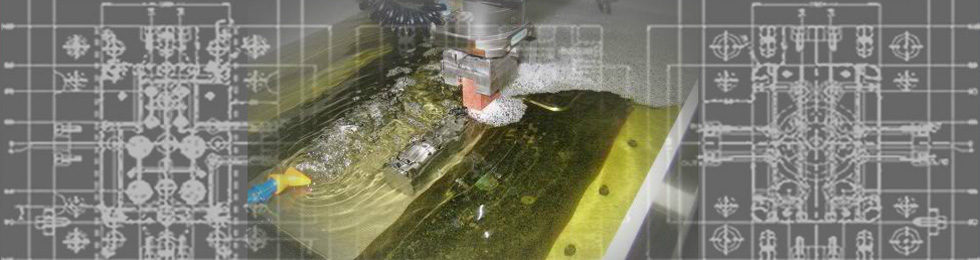
Before requesting an injection mold quotation, buyers should send 3D CAD files, 2D drawings if available, resin and shrinkage requirements, expected order quantity, surface finish, tolerance needs, critical dimensions, cosmetic areas, assembly information, quality inspection requirements and target schedule. These details allow the mold maker to review part feasibility, estimate mold structure and quote with fewer hidden risks.
Many mold quotations look simple on the surface, but the real cost is shaped by part geometry, undercuts, wall thickness, gate position, ejection, steel choice, cavity count and quality requirements. If these points are unclear during RFQ, the supplier may quote based on assumptions. Later, after DFM review or mold trial, the project may need extra changes that affect budget and timing.
At UTTMould design and engineering, RFQ review is connected with part feasibility, mold design, manufacturing planning and inspection requirements. This helps overseas buyers compare quotations based on real technical scope instead of only unit price.
A 3D file is the starting point for plastic injection mold quotation. STEP, STP, IGS, X_T or SolidWorks files are commonly used because they allow the tooling engineer to check wall thickness, draft angle, parting direction, ribs, bosses, clips, holes and possible undercuts.
If the model is not final, clearly mark it as prototype, review version or production release version. This avoids confusion when the quotation, DFM comments and mold design are discussed later.
A 2D drawing is useful when the part has critical dimensions, tight tolerances, datum references, thread requirements, insert areas or assembly interfaces. The drawing tells the mold maker which dimensions must be controlled during inspection and which features are less critical.
If no 2D drawing is available, buyers can still list key dimensions and functional areas in the RFQ email. This is especially important for automotive, industrial, electronics and mechanical plastic parts.
Material affects mold shrinkage, gate design, cooling, steel selection, surface quality and molding conditions. ABS, PP, PC, PA, POM, TPE and glass-filled materials can require different mold design decisions. If the exact grade is not confirmed, provide the target resin family, application environment and mechanical requirements.
For engineering parts, also mention flame rating, temperature resistance, UV resistance, food contact, medical use or other compliance needs. These details help the supplier avoid quoting a mold that does not match production requirements.
Expected quantity influences cavity count, mold steel, hot runner or cold runner selection, tool life and molding cost. A prototype tool, bridge tool and production tool may look similar in early discussion, but they are not the same investment.
For early projects, buyers can provide a range such as 500 trial parts, 5,000 first order parts and 50,000 annual parts. This helps the supplier recommend the right rapid tooling or production tooling plan.
Cosmetic surfaces affect gate location, parting line, ejector pin position, polishing, texture and inspection standard. If the appearance face is not marked before quotation, the mold design may need adjustment later.
Buyers should specify whether the surface needs SPI polish, VDI texture, MT texture, painting, plating, printing or simple industrial finish. Photos of reference parts are helpful when the surface requirement is difficult to describe.
A mold maker can review the part more accurately when the function is understood. Snap fits, screw bosses, sealing areas, moving surfaces, bearing areas, clips and mating parts may all affect mold design. If the part is one component in an assembly, send the mating part files or at least screenshots that show how the part will be used.
Quality expectations should be discussed before quotation, not only before shipment. Dimensional report, sample inspection, cosmetic check, material certificate, CMM measurement, functional test and packaging requirements can affect the work scope.
For a detailed checklist, buyers can review our plastic injection molding quality inspection checklist and quality control capability.
Lead time depends on DFM review, mold design approval, material ordering, CNC machining, EDM, fitting, polishing, mold assembly, T1 trial, sample delivery and modification cycles. A realistic timeline allows the supplier to plan the project properly.
If launch timing is urgent, say so during RFQ. The supplier can then explain which steps can be compressed and which steps should not be skipped.
UTTMould reviews RFQ packages from the viewpoint of mold feasibility, manufacturing risk and production readiness. The review usually covers part design, draft, wall thickness, gate strategy, ejection, visible surfaces, material behavior, tooling structure, inspection requirements and expected production volume.
For related preparation steps, buyers can also read our DFM review checklist, mold design mistakes guide and T1 sample review checklist.
If you are preparing a plastic injection mold project, you can send CAD files, drawings, material requirements and quantity information to UTTMould for review. Our team will check the RFQ package and provide practical feedback before tooling starts.
Contact UTTMould for injection mold quotation, DFM review, mold trial planning and molded plastic part production support.
Before tooling starts, buyers should confirm resin grade, shrinkage, tolerance, cosmetic surfaces and inspection requirements so DFM review, mold cost and T1 sample approval are based on clear information.
Use these buyer resources together when preparing DFM review, RFQ details, T1 sample approval and production quality planning.
Follow Us: 


Copyright © 2026 UTTMould All Rights Reserved Sitemap XML Quality Inspection Checklist Injection Mold Guide