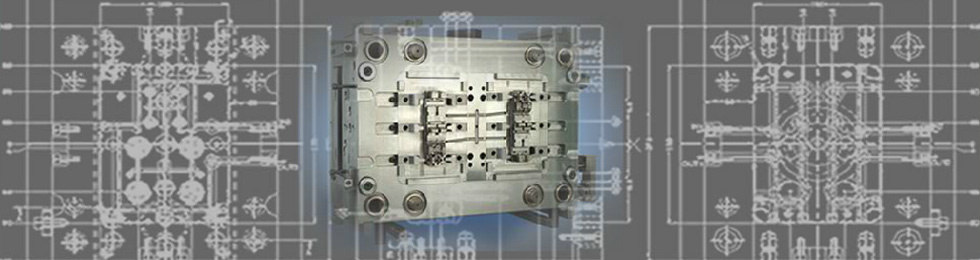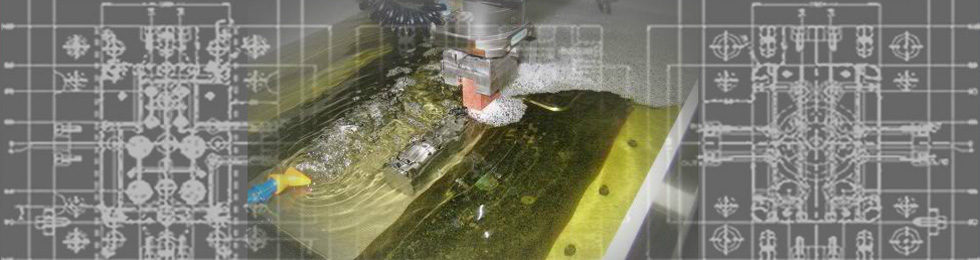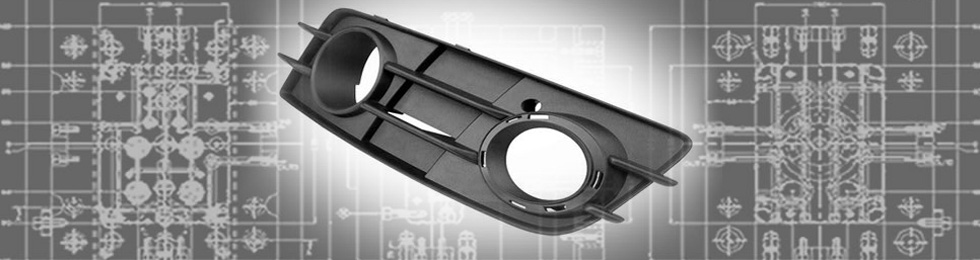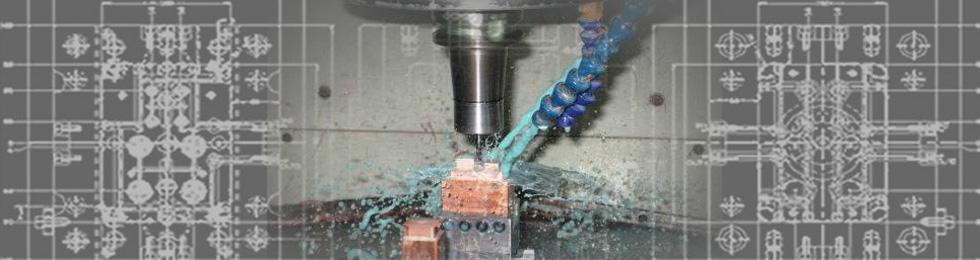
Prototype tooling supports small-batch manufacturing by helping companies produce real molded parts before investing in full production tooling. It gives product teams a practical way to test design, material, fit, function and market demand with lower upfront risk.
For plastic products, prototype tooling is especially useful when a company needs injection-molded parts in limited quantities. Instead of waiting for a high-volume production mold, teams can validate the product, improve the design and prepare for larger production with better confidence.
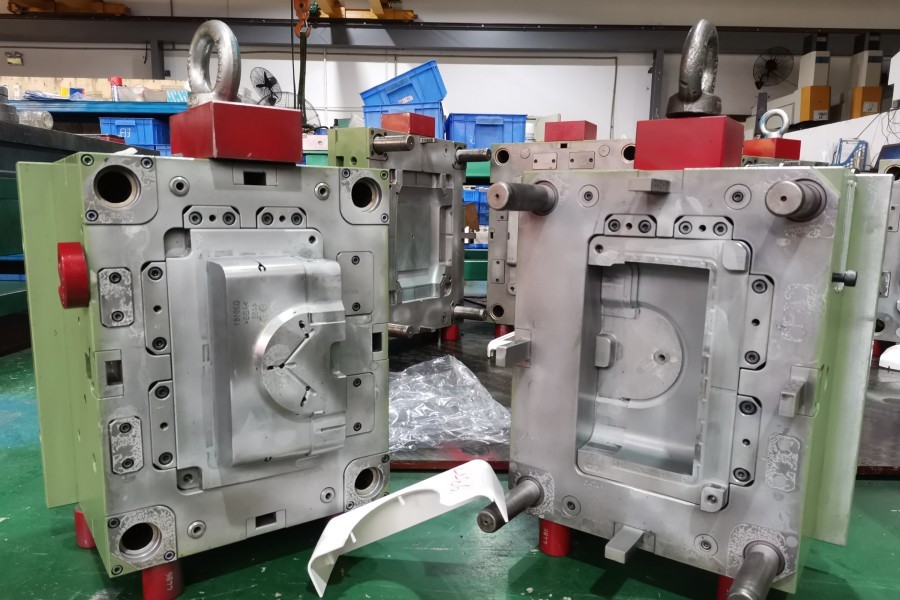
Prototype tooling, also called rapid tooling, is a mold or tool built for early production validation, sample runs or low-volume manufacturing. It is commonly used to make plastic injection molded parts before a full-scale production mold is required.
The tool may be designed for shorter life, faster lead time or lower initial cost compared with a mass-production mold. However, it still needs proper mold design, material selection, machining accuracy and trial validation to produce useful parts.
Many companies no longer want to produce thousands of units before confirming product demand. Small-batch manufacturing allows businesses to launch gradually, test the market and make improvements before scaling.
This approach is useful for:
Small-batch manufacturing gives companies more flexibility while reducing the risk of excess inventory or costly redesign.
Prototype tooling helps teams answer important production questions before committing to a high-volume mold.
| Risk Area | How Prototype Tooling Helps |
|---|---|
| Product design | Reveals fit, function and assembly issues |
| Material choice | Tests real plastic performance in molded parts |
| Mold structure | Validates gate location, parting line and ejection |
| Market demand | Allows limited product launch before scaling |
| Production cost | Reduces early investment compared with full tooling |
This early validation can prevent expensive mold modifications later.
Prototype tooling and production tooling serve different stages of the manufacturing process. Choosing the right option depends on quantity, product maturity, expected tool life, tolerance requirements and budget.
| Factor | Prototype Tooling | Production Tooling |
|---|---|---|
| Best use | Samples, testing, low-volume runs | Long-term mass production |
| Lead time | Usually faster | Usually longer |
| Initial cost | Usually lower | Usually higher |
| Tool life | Lower to medium | High |
| Design flexibility | Easier to adjust | Harder and costlier to modify |
| Ideal stage | Product validation | Stable final design |
For many projects, prototype tooling is the bridge between a prototype and a production injection mold.
Product development rarely follows a perfectly straight path. Even well-designed plastic parts can reveal issues during molding trials, assembly testing or user handling.
With prototype tooling, engineers can adjust wall thickness, ribs, bosses, clips, draft angles, gates or ejection details before committing to a production mold. These changes are usually easier to manage during early tooling than after high-volume manufacturing begins.
This flexibility is one of the biggest advantages of small-batch injection molding.
Budget control matters when a product is still being tested. Full production tooling can require a larger investment before the company knows whether the product design, material and market demand are ready.
Prototype tooling lowers that barrier. It allows companies to produce real plastic parts in smaller quantities, review customer feedback and make decisions based on actual product performance.
This approach reduces waste and helps companies avoid producing too much inventory before the design is stable.
This information helps the mold manufacturer recommend the right tooling approach.
Prototype tooling supports small-batch manufacturing by giving companies a lower-risk path from design validation to real molded parts. It helps control cost, speed up product testing, reduce mold modification risk and prepare for larger injection molding production.
For buyers working on plastic products, choosing an injection mold manufacturer with rapid tooling, mold design, trial molding and production molding experience can make the transition from prototype to production more reliable. Contact UTTMould to request a tooling quote.
Prototype tooling is used to create early-stage molds or tools for sample parts, design validation, functional testing and low-volume production before full production tooling is built.
Prototype tooling reduces upfront mold investment and allows companies to test real molded parts in limited quantities. This helps teams improve design, verify demand and avoid unnecessary inventory risk.
No. Prototype tooling is usually used for testing, samples and lower-volume runs, while production tooling is built for long-term, high-volume manufacturing with higher tool life requirements.
Yes. Prototype tooling is commonly used for low-volume plastic injection molding when companies need real molded parts before investing in a full production mold.
Buyers should prepare 3D CAD files, 2D drawings, material requirements, expected quantity, surface finish requirements, target lead time and any functional testing needs.
Published by UTTMould. This guide is for project planning; part-specific feasibility, inspection scope and acceptance criteria must be agreed during DFM and quotation.
Follow Us: 


Copyright © 2026 UTTMould All Rights Reserved Sitemap XML Quality Inspection Checklist Injection Mold Guide