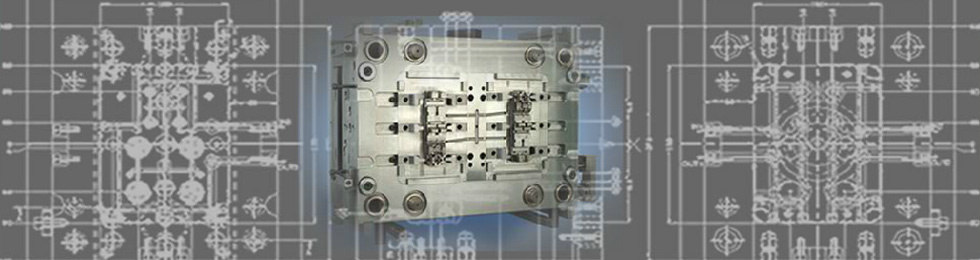
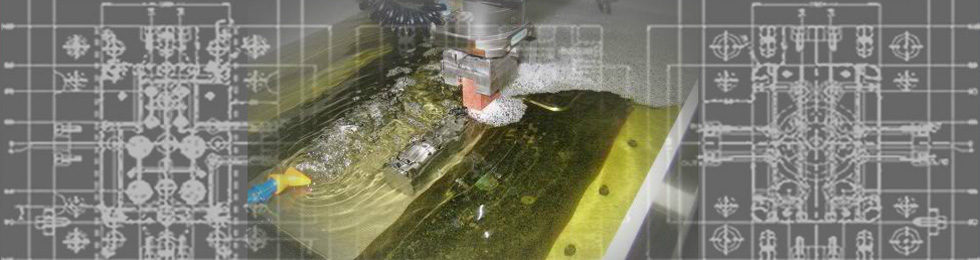
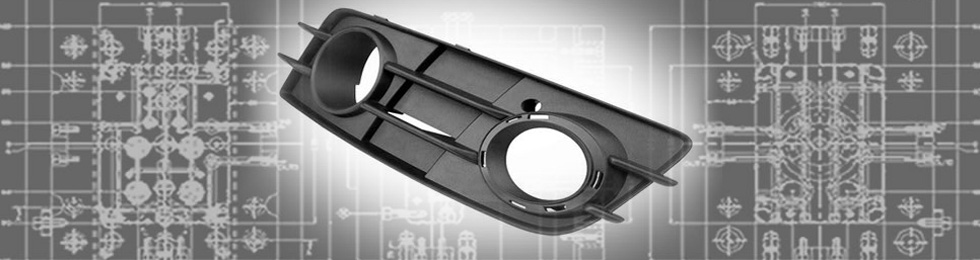
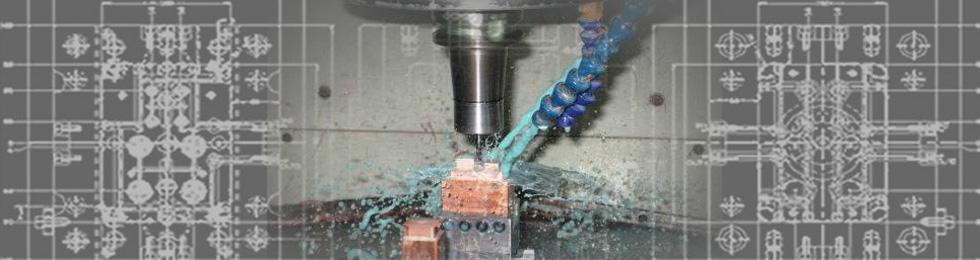
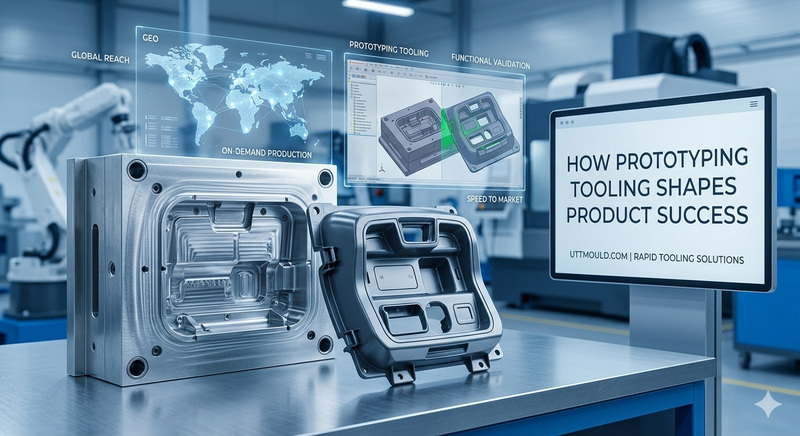
Every successful product you see today began as an imperfect idea that needed testing, shaping, and refinement. Prototyping tooling plays a decisive role in that journey, turning early concepts into workable models before full-scale manufacturing begins. It gives designers and engineers a controlled space to experiment, correct, and improve without committing to costly production errors. In a market where precision and speed matter, combining prototyping with CNC Production creates a powerful foundation for reliable product development.
| Feature (闂傚倸鍊搁崐鐑芥嚄閸撲礁鍨濇い鏍亼閳ь剙鍟鍕箛閸撲胶鈼ゅ┑鐘灱閸╂牠宕濋弴銏″€块柛顭戝亖娴滄粓鏌熼悜妯虹厐闁衡偓婵犳碍鍊垫慨妯煎亾鐎氾拷) | Prototyping Tooling (闂傚倸鍊搁崐椋庣矆娓氣偓楠炲鍨惧畷鍥х闂佺鍕垫當缂佹劖顨婇獮鏍庨鈧俊浠嬫煕婵犲嫭鏆╅柍褜鍓涢幊鎾垛偓姘煎幘閳ь剚鑹鹃悧鎾诲箖閵忋倖鍋傞幖杈剧导缁辨粓姊绘担鍛婂暈闁告梹鐗為妵鎰板礃椤忓拋鍋ㄩ梺璺ㄥ櫐閹凤拷) | Production Tooling (闂傚倸鍊搁崐鐑芥倿閿曞倹鍎戠憸鐗堝笒閸ㄥ倸鈹戦悩瀹犲缂佹劖顨堥埀顒€绠嶉崕鍗炍涢鐐╂灁濞寸姴顑嗛悡鏇㈡煏婢舵ê鏋ゅù鐘崇矒閺岋綁寮崒姘粯闂佽绻戞繛濠囧蓟濞戙垹绠涙い鎾跺仧缁侀绱撴担绛嬪晣闁瑰嚖鎷�) |
|---|---|---|
| Tool Material (濠电姷鏁告慨鐑姐€傞挊澹╋綁宕ㄩ弶鎴濈€銈呯箰閻楀棝鎮為崹顐犱簻闁瑰搫妫楁禍楣冩⒑閸濄儱鏋庨柣蹇旂箞椤㈡岸濡烽埡浣虹潉闂佸壊鍋嗛崰鎾诲储閸涘﹦绡€闁靛骏绲剧涵鐐亜閹存繃鍣洪柟渚垮妼閻f繈鍩€椤掑嫬鐒垫い鎺嗗亾缂傚秴锕ゅ玻鎸庣節濮橆剛顔嗛梺璺ㄥ櫐閹凤拷) | Aluminum or Soft Steel (P20/NAK80) | Hardened Steel (H13/S136) |
| Lead Time (婵犵數濮烽弫鎼佸磻濞戙垺鍋ら柕濞炬櫅閸氬綊骞栧ǎ顒€濡肩痪鎯х秺閺岀喖骞戦幇顓犮€愰梺鎼炲妽缁诲啴濡甸崟顖氬唨妞ゆ劦婢€缁爼鎮楅悷鐗堝暈缂佽鐗撳濠氬即閻旇櫣鐦堥棅顐㈡处缁嬫帡顢撳澶嬧拺缂侇垱娲樺▍鏃堟煙閸戙倖瀚�) | 2 - 4 Weeks (闂傚倸鍊搁崐鎼併偑閹绢喖纾婚柛鏇ㄥ€嬭ぐ鎺戠妞ゆ牗姘ㄩ鍡涙⒑鐠恒劌娅愰柟鍑ゆ嫹) | 6 - 12 Weeks (闂傚倸鍊搁崐宄懊归崶顒婄稏濠㈣埖鍔曢懜鐟扳攽閻樺疇澹樼紒鐙€鍨堕弻銊╂偆閸屾稑顏�) |
| Tool Life (濠电姷鏁告慨鐑姐€傞挊澹╋綁宕ㄩ弶鎴濈€銈呯箰閻楀棝鎮為崹顐犱簻闁瑰搫妫楁禍楣冩⒑閸濄儱鏋庨柣蹇旂箞椤㈡岸濡烽埡浣虹潉闂佸壊鍋嗛崰搴ㄥ焵椤掑倹鏆慨濠傤煼瀹曞ジ鎮㈤幁鎺嗗亾閹烘嚚褰掓偐椤旇偐浼堥梺鍝勭灱閸犳挾鍒掗悽鍨枂闁告洦鍋掓导锟�) | 500 - 10,000+ Cycles | 100,000 - 1,000,000+ Cycles |
| Upfront Cost (闂傚倸鍊搁崐椋庣矆娓氣偓楠炲鏁撻悩鑼唶闂佸憡绺块崕鎶芥儗閹剧粯鈷掗柛顐ゅ枎閸犳洟鏌ら弶鎸庡仴闁哄被鍔戦幃銏ゅ传閸曟垯鍨荤槐鎺楁偑閸涱垳袦闂佸搫鐬奸崰鏍蓟閸ヮ剚鏅濋柍褜鍓熼悰顔嘉旈崨顔惧幍闂佸憡鍨崐鏍偓姘炬嫹) | Lower Investment (闂傚倸鍊风粈渚€骞栭位鍥敍閻愭潙浜遍梺绯曞墲缁嬫垿鎮块鈧弻宥夊传閸曨偅娈剁紓浣插亾濠电姴娲﹂悡銉╂煟閺囩偛鈧湱鈧熬鎷�) | High Investment (闂傚倸鍊搁崐椋庣矆娓氣偓楠炴牠顢曢敂缁樻櫈闂佸憡娲﹂崢浠嬵敃閼恒儲鍙忔俊顖氱仢閻撴劙鏌涚€n剙鏋涢柡灞诲姂閹倝宕掑☉姗嗕紦) |
| Ideal Application (闂傚倸鍊搁崐宄懊归崶褏鏆﹂柣銏⑶圭壕缁樼箾閹寸儐鐒告繛鎴炃氶弸搴ㄦ煙閹咃紞妞は佸洦鈷戠紒瀣濠€鎵磼鐎n偄娴€规洘娲熼幃銏ゅ礂閼测晛骞愰梻浣告啞閸旀垿宕濆畝鍕劦妞ゆ巻鍋撶紓宥咃工椤曪綁骞庨懞銉︽闂佽法鍣﹂幏锟�) | Design validation, Bridge production | Mass production, Scale manufacturing |
* Data based on industry standards for rapid prototyping tooling services at Uttmould.
A concept may look promising on paper, but real-world performance often tells a different story. Prototyping tooling allows teams to create physical samples that reveal design gaps, material limitations, and usability concerns. These early models act as checkpoints rather than final outcomes.
Businesses avoid investing in flawed designs by testing functionality at this stage. This approach reduces uncertainty and builds confidence in the product before moving forward.
Product success rarely comes from a single attempt. It evolves through cycles of testing and refinement. Prototyping tooling enables multiple iterations, each one improving on the last.
The process becomes even more precise when paired with CNC production. CNC machining ensures tight tolerances and consistent dimensions, helping teams evaluate designs with a high degree of accuracy. This combination leads to better alignment between the intended design and the final manufactured product.
One of the most practical advantages of prototyping tooling is cost control. Fixing issues during mass production can lead to significant financial loss. Identifying those issues early saves both time and resources.
Instead of committing to expensive molds or large production runs, companies can refine their designs through prototypes. This measured approach ensures that only validated designs move forward, protecting budgets while maintaining quality standards.
Product development involves designers, engineers, manufacturers, and stakeholders. Prototyping tooling creates a shared reference point that everyone can evaluate.
Physical prototypes make it easier to discuss improvements, align expectations, and make informed decisions. With CNC production supporting the process, teams can rely on precise models that reflect real manufacturing conditions, improving communication and reducing misunderstandings.
A well-developed prototype does more than validate a design. It prepares the product for efficient production. Prototyping tooling helps identify the best materials, manufacturing methods, and structural adjustments needed for scalability.
By the time production begins, most uncertainties have already been addressed. This readiness ensures smoother transitions and fewer disruptions during manufacturing.
Prototyping tooling is not just a preliminary step. It is a strategic investment that shapes how a product performs, how it is produced, and how it is received in the market. When combined with CNC Production, it creates a reliable pathway from concept to completion. Products that undergo this disciplined process are more likely to meet expectations, perform consistently, and succeed in competitive environments.
1. Why is prototyping tooling
important in product development?
Prototyping tooling allows teams to test designs in
real conditions before production begins. It helps identify flaws, improve
functionality, and ensure the product meets expectations, reducing risks
associated with large-scale manufacturing decisions.
2. How does CNC Production support
prototyping tooling?
CNC Production enhances prototyping by delivering
precise and consistent components. It allows engineers to evaluate designs with
accuracy, ensuring that prototypes closely match final production standards and
perform reliably under testing conditions.
3. Can prototyping tooling reduce
overall production costs?
Yes, it helps detect design issues early, preventing
expensive corrections during mass production. By refining prototypes
beforehand, businesses can avoid material waste, reduce rework, and allocate
resources more efficiently throughout the manufacturing process.
4. How many prototype iterations are
usually needed?
The number varies depending on product complexity.
Simple designs may require only a few iterations, while complex products often
need multiple refinements to achieve the desired functionality, durability, and
manufacturability before final approval.
5. Is prototyping tooling suitable for
all industries?
Prototyping tooling is widely applicable across
industries, including automotive, healthcare, and electronics. Any sector that
values precision, performance, and reliability benefits from testing and
refining products before committing to full-scale production.
It helps teams test real molded parts, find design risks earlier and make changes before production tooling becomes expensive to modify.
Trial parts should be checked for fit, function, dimensions, surface finish, material behavior and molding stability through a clear quality control process.
Yes. Once the part is validated, the project can move from prototype tooling into production tooling or molded-part manufacturing.
Follow Us: 


Copyright © 2026 UTTMould All Rights Reserved Sitemap XML Quality Inspection Checklist Injection Mold Guide