When precision
decides success, the right tooling becomes your strongest advantage.
Prototyping
Tooling is often the quiet force behind groundbreaking engineering
work. In complex projects where every micron matters, the ability to test,
refine, and validate ideas quickly is not optional. It is essential. Whether
you are building aerospace components or intricate consumer devices, the path
from concept to reality depends heavily on how well your tooling performs under
pressure.
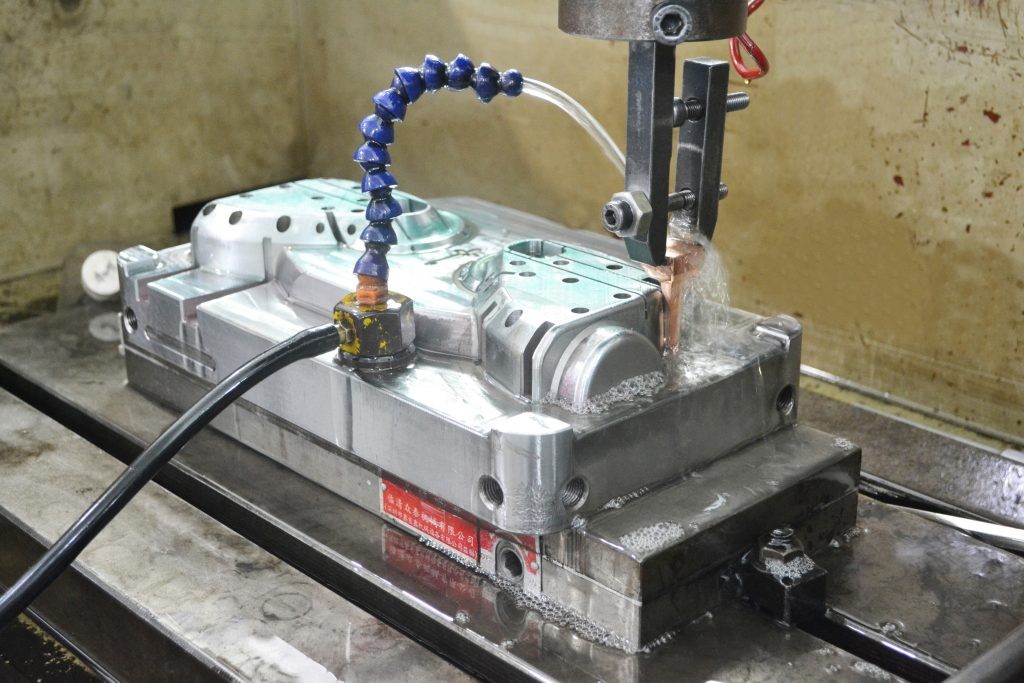
Standard solutions rarely meet the
demands of high-complexity designs. Engineers deal with unusual geometries,
tight tolerances, and materials that behave unpredictably. Custom prototyping
tooling allows teams to experiment without committing to full-scale production.
Instead of forcing a design to fit
available tools, custom tooling adapts to the design itself. This shift
improves accuracy and reduces the risk of late-stage failures. It also supports
better iteration cycles, where adjustments can be tested and refined without
wasting time or material.
| Technical Feature (闂傚倸鍊搁崐鐑芥嚄閸洖绠犻柟鍓х帛閸婂爼鏌涢鐘插姎缁炬儳顭烽弻鐔煎礈瑜忕敮娑㈡煟閹惧娲撮柡灞剧洴椤㈡洟顢曢~顓犵泿闂備浇顕ф蹇曞緤娴犲鈧妇鎹勯妸锕€鏋傞梺鍛婃处閸嬪懐鎷犻悙鍙傛棃鎮╅棃娑楁睏闂佺ǹ顑嗛幑鍥ь潖閾忚宕夐柕濞垮劜閻濄垽姊洪悷鏉挎闁瑰嚖鎷�) | Custom Prototyping Tooling | Production Tooling |
|---|---|---|
| Lead Time (婵犵數濮烽弫鎼佸磻濞戙垺鍋ら柕濞炬櫅閸氬綊骞栧ǎ顒€濡肩痪鎯х秺閺岀喖骞戦幇顓犮€愰梺鎼炲妽缁诲啴濡甸崟顖氬唨妞ゆ劦婢€缁爼鎮楅悷鐗堝暈缂佽鐗撳濠氬即閻旇櫣鐦堥棅顐㈡处缁嬫帡顢撳澶嬧拺缂侇垱娲樺▍鏃堟煙閸戙倖瀚�) | 2 - 4 Weeks (Fast-track) | 8 - 12+ Weeks (Standard) |
| Tool Material (濠电姷鏁告慨鐑姐€傞挊澹╋綁宕ㄩ弶鎴濈€銈呯箰閻楀棝鎮為崹顐犱簻闁瑰搫妫楁禍楣冩⒑閸濄儱鏋庨柣蹇旂箞椤㈡岸濡烽埡浣虹潉闂佸壊鍋嗛崰鎾诲储閸涘﹦绡€闁靛骏绲剧涵鐐亜閹存繃鍣洪柟渚垮妼閻f繈鍩€椤掑嫬鐒垫い鎺嗗亾缂傚秴锕ゅ玻鎸庣節濮橆剛顔嗛梺璺ㄥ櫐閹凤拷) | Aluminum / P20 Soft Steel | Hardened Steel (H13/S136) |
| Tool Life (濠电姷鏁告慨鐑姐€傞挊澹╋綁宕ㄩ弶鎴濈€銈呯箰閻楀棝鎮為崹顐犱簻闁瑰搫妫楁禍楣冩⒑閸濄儱鏋庨柣蹇旂箞椤㈡岸濡烽埡浣虹潉闂佸壊鍋嗛崰搴ㄥ焵椤掑倹鏆慨濠傤煼瀹曞ジ鎮㈤幁鎺嗗亾閹烘嚚褰掓偐椤旇偐浼堥梺鍝勭灱閸犳挾鍒掗悽鍨枂闁告洦鍋掓导锟�) | 500 - 10,000+ Shots | 100,000 - 1,000,000+ Shots |
| Upfront Cost (闂傚倸鍊搁崐椋庣矆娓氣偓楠炲鏁撻悩鑼唶闂佸憡绺块崕鎶芥儗閹剧粯鈷掗柛顐ゅ枎閸犳洟鏌ら弶鎸庡仴闁哄被鍔戦幃銏ゅ传閸曟垯鍨荤槐鎺楁偑閳ь剟宕抽敐澶婅摕闁跨喓濮撮悙濠囨煃鏉炵増顦风紒顔肩埣閹鈻撻崹顔界彲闂佺懓鍤栭幏锟�) | Low to Moderate (缂傚倸鍊搁崐鎼佸磹閹间礁纾瑰瀣捣閻棗霉閿濆洤鍔嬬€规洘鐓¢弻鐔衡偓鐢登瑰暩闂佹椿鍘奸悧蹇涘箟閹间焦鍋嬮柛顐g箘閻熴劑姊洪幖鐐插闁稿﹤娼″濠氬Ω閳哄倸浜為梺绋挎湰缁嬫垿顢旈敓锟�) | High Investment (婵犵數濮撮惀澶愬级鎼存挸浜鹃柡鍥ュ灩绾惧湱鐥鐐村櫤闁瑰啿鐭傚缁樻媴鐟欏嫬浠╅梺鍛婃煥缁夋挳鎮惧┑鍫㈢煓婵炲棙鍎冲▓銊╂⒑濮瑰洤鐏╅柟璇х節瀵煡骞栨担鍦弳闂佺粯娲栭崐鍦偓姘炬嫹) |
| Application (闂傚倸鍊搁崐椋庣矆娓氣偓楠炴牠顢曢敂钘変罕闂佸憡鍔﹂崰鏍婵犳碍鐓欓柟瑙勫姉琚﹂悷婊呭鐢寮查弻銉︾厱婵炴垵宕獮妤佹叏閿濆棗濮夌紒杈ㄦ尰閹峰懘妫冨☉姗嗙€撮梻浣虹帛閹碱偆鎹㈠┑瀣祦闁告劏鏅濋々鐑芥倵閿濆骸浜濇繛鍛灲濮婅櫣鎹勯妸銉︾彚闂佺懓鍤栭幏锟�) | Design Validation & Bridge Production | High-volume Mass Production |
Note: Custom Prototyping Tooling at UTT Mould provides a strategic advantage for complex engineering projects by reducing financial risk and accelerating the validation phase.
The transition from prototype to
manufacturing is where many projects lose momentum. This is where CNC
Production plays a critical role. Custom tooling designed during the
prototyping phase ensures that what works in testing can be replicated with
consistency in production.
Engineers avoid costly redesigns by
aligning tooling strategies early. CNC systems rely on precision instructions,
and when tooling is already optimized, production becomes more predictable. The
result is fewer errors, better surface finishes, and components that meet exact
specifications.
Custom prototyping tooling offers more
than flexibility. It creates measurable advantages that impact the entire
engineering process.
It reduces uncertainty by allowing
real-world testing before scaling. It improves communication between design and
manufacturing teams since both work with the same practical references. It also
supports faster decision-making because engineers can validate ideas quickly
instead of relying on assumptions.
Most importantly, it helps control costs
over time. While the initial investment may seem higher, avoiding production
errors and redesign cycles leads to significant savings.
Industries that operate with high
precision benefit the most from tailored tooling solutions. Aerospace,
automotive, medical devices, and advanced electronics all require exacting
standards.
Even a minor flaw can lead to performance
issues or safety concerns in these sectors. Custom tooling ensures that every
prototype reflects real-world conditions, giving engineers confidence before
moving forward.
Complex engineering projects leave little
room for guesswork. Custom prototyping tooling provides clarity in a process
that is often filled with uncertainty. It allows teams to move forward with
confidence, knowing that their designs have been tested under realistic
conditions.
When combined with well-planned CNC production, it creates a strong foundation for success. Instead of reacting to problems later, engineers can solve them early, when it matters most.
At UTT Mould, we leverage our decades of experience in Prototyping Tooling to help engineers transition from a CAD concept to a functional, bridge-to-manufacturing part in record time.
1. What makes prototyping tooling
different from standard tooling?
Prototyping tooling is specifically designed for
testing and validation, allowing flexibility in design adjustments. Unlike
standard tooling, it supports rapid iterations and helps engineers refine
concepts before committing to full-scale manufacturing processes.
2. How does prototyping tooling
improve CNC production outcomes?
It ensures that designs are already optimized for
manufacturing before production begins. This alignment reduces machining
errors, enhances consistency, and allows CNC production systems to deliver
precise and repeatable results without frequent adjustments.
3. Is custom prototyping tooling
suitable for small-scale projects?
Yes, it is valuable even for smaller projects where
precision and performance matter. It helps identify potential issues early,
saving time and cost that would otherwise be spent correcting problems during
later production stages.
4. How long does it take to develop
custom prototyping tooling?
The timeline depends on project complexity, material
requirements, and design specifications. However, investing time in proper
tooling development often shortens the overall project duration by reducing
rework and improving first-time accuracy.
5. Can prototyping tooling handle
complex materials and geometries?
Yes, custom tooling is specifically created to address
challenging materials and intricate designs. It allows engineers to test how
materials behave under real conditions, ensuring that the final product
performs as intended.
Custom prototyping tooling lets engineers test fit, function, material behavior and mold risk before investing in long-life production tooling.
UTTMould reviews CAD data, parting lines, draft, wall thickness, gate position and inspection requirements through mold design support and tooling review.
Complex prototype tools often connect with injection mold manufacturing, trial molding, dimensional inspection and later molded-part production.
Follow Us: 


Copyright © 2026 UTTMould All Rights Reserved Sitemap XML Quality Inspection Checklist Injection Mold Guide