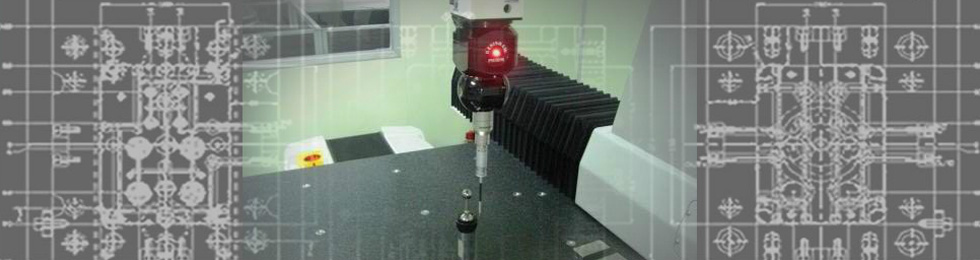
Every product idea carries a quiet risk: what if the final version fails to match the vision? This is where Prototyping Tooling becomes more than just a step in manufacturing. It acts as a safeguard, allowing businesses to test, refine, and perfect designs before full-scale production begins. When approached with precision, it not only improves quality but also protects budgets from avoidable losses.
Why Prototyping Tooling Matters More Than You Think?
Prototyping is not just about creating a sample. It is about understanding how a product behaves in real conditions. Efficient Prototyping Tooling allows engineers and designers to identify flaws early, whether in structure, material compatibility, or functionality.
Instead of discovering issues after mass production, businesses can correct them at the prototype stage. This early intervention prevents costly redesigns and production delays, making the entire development cycle more predictable and controlled.
One of the biggest advantages of efficient tooling strategies lies in cost control. When prototypes are developed with careful planning, companies avoid repeated revisions that consume time and resources.
Using the right materials and processes during prototyping helps simulate final production conditions. This reduces the gap between prototype and finished product, eliminating unnecessary adjustments later. As a result, businesses spend less on corrections, waste fewer materials, and maintain tighter control over production budgets.
Errors in manufacturing rarely stay small. A minor design flaw can quickly escalate into a large-scale issue once production begins. Efficient Prototyping Tooling helps detect these problems early.
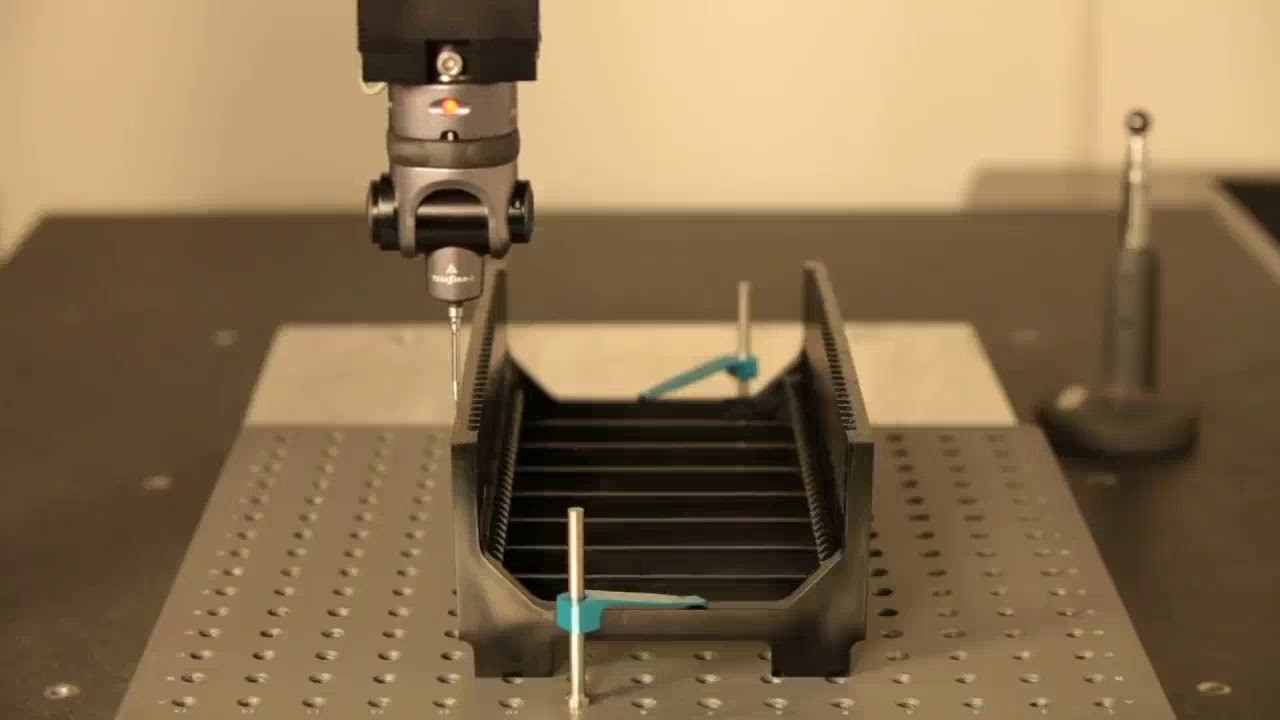
Teams can refine dimensions, improve tolerances, and ensure consistency by testing multiple iterations. This process leads to better accuracy in the final product and reduces the likelihood of defects reaching customers. In industries where precision matters, this can make a significant difference in both reputation and reliability.
Speed matters, but only when paired with clarity. Prototyping provides real, tangible insights that help teams make informed decisions quickly. Instead of relying on assumptions, stakeholders can evaluate physical models and performance data.
This clarity shortens the decision-making cycle and prevents delays caused by uncertainty. Efficient tooling strategies ensure that each prototype delivers meaningful feedback, allowing teams to move forward with confidence.
Not all prototyping methods deliver the same results. Selecting the right tooling technique depends on the product闂傚倸鍊搁崐鐑芥嚄閸洖纾婚柕濞炬櫅绾惧潡鏌$仦璇插姕闁稿锕㈤弻銊╂偆閸屾稑顏� complexity, material requirements, and intended use.
Advanced methods allow for high precision and repeatability, ensuring that prototypes closely resemble final products. When done correctly, this alignment reduces the risk of unexpected challenges during production and improves overall efficiency.
CNC Machining Services offer precise and efficient manufacturing solutions using computer-controlled machines to produce complex parts with high accuracy. These services are ideal for industries like automotive, aerospace, and electronics, ensuring consistent quality and reduced production time. With advanced technology and skilled expertise, CNC machining delivers customized components that meet exact specifications and tight tolerances.
Great products rarely happen by accident. They are the result of careful testing, thoughtful refinement, and smart decision-making. Efficient Prototyping Tooling plays a crucial role in this process by reducing uncertainties and improving outcomes at every stage.
When businesses invest in the right strategies, they not only save money but also build products that perform as intended from the very beginning. That level of confidence is invaluable in a competitive market.
| Aspect | Prototyping Tooling | Production Tooling |
|---|---|---|
| Cost | Low | High |
| Lead Time | Days to weeks | Weeks to months |
| Risk | Low | High |
| Flexibility | High | Low |
1. How does prototyping tooling reduce
production costs?
Prototyping tooling helps identify design flaws early
in the development process. This prevents expensive corrections during mass
production, reduces material waste, and minimizes the need for repeated
manufacturing cycles, ultimately lowering overall production expenses.
2. What types of errors can
prototyping tooling detect?
It can reveal structural weaknesses, dimensional
inaccuracies, material incompatibility, and functional issues. Detecting these
problems early ensures that the final product meets quality standards and
performs reliably under real-world conditions.
3. Is prototyping tooling suitable for
small businesses?
Yes, it is highly beneficial for small businesses. It
allows them to test ideas with lower risk, avoid costly mistakes, and refine
products before investing heavily in full-scale manufacturing, making it a
practical and strategic choice.
4. How many prototype iterations are
typically required?
The number varies depending on product complexity.
Simple designs may require only one or two iterations, while complex products
may need several refinements to achieve optimal performance, accuracy, and
durability before final production.
5. Can prototyping tooling improve
product quality?
Absolutely. Prototyping tooling ensures that design
and performance issues are resolved early by enabling thorough testing and
refinement. This leads to higher-quality products that meet expectations and
reduce the likelihood of defects after launch.
Looking for reliable prototyping tooling solutions? UTT Mould provides fast, cost-effective, and high-precision tooling services to help you reduce risks and accelerate product development.
It helps identify design and molding issues before mass production, reducing rework, tool changes and delays after the product is approved.
Material selection, wall thickness, draft angle, gate position, tolerance, surface finish and expected quantity all affect tooling cost and manufacturing risk.
Buyers can review mold design support, rapid tooling options and quality control before sending RFQ files.
Follow Us: 


Copyright © 2026 UTTMould All Rights Reserved Sitemap XML Quality Inspection Checklist Injection Mold Guide