Have you ever wondered how thousands of car
parts come out looking identical? Dashboard panels and under-the-hood housings
are only two of the hundreds of plastic parts used in modern cars. According to
studies, plastics now make up about half of a vehicle's volume. One fundamental
process is responsible for this accuracy and constancy. We are talking about an automotive injection mold. Let's learn how this process works and why it is
important.
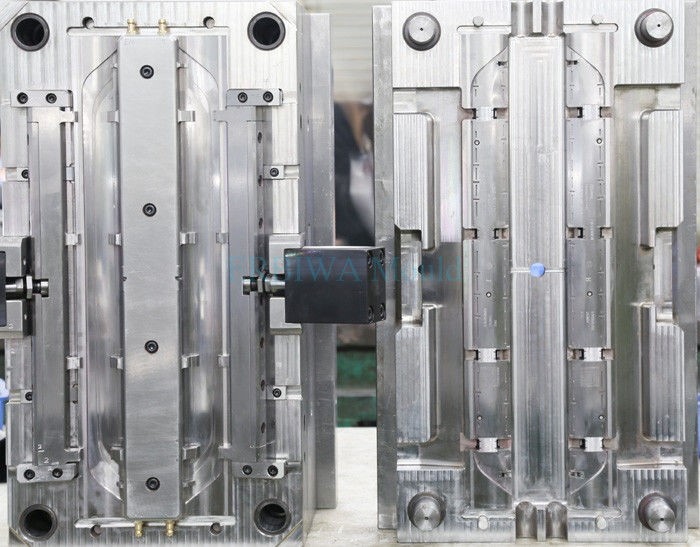
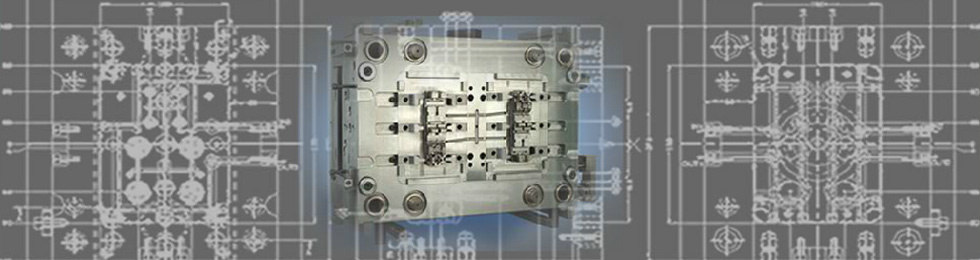
A specialized metal instrument
called an automotive injection mold is used to precisely shape molten plastic into car parts. After
being heated and injected into the mold, the plastic is cooled and released as
a completed part. This technique allows manufacturers to create the same part
again with minimal modifications.

Tight tolerances, which require
parts to conform within small measurement limits, are used in the construction
of cars. So even a small change might have an impact on performance or safety. Automotive injection molding reliably produces this accuracy. It guarantees
that components line up correctly with safety systems, electronics, and metal
structures, reducing the chances of errors once the car is on the road and
minimizing assembly problems on manufacturing lines.
Production of automobiles
depends on speed without compromising quality. The purpose of injection molds
is to manage large-scale production. An identical part can be quickly
replicated thousands of times after the mold is made. Manufacturers are able to
meet demand while keeping costs under control because of this efficiency.
Additionally, it guarantees the consistency of replacement parts, which is
crucial for maintenance and repairs throughout the course of a vehicle's
lifetime.
Certain components require
impact strength or flexibility, while others require heat resistance. ABS,
polypropylene, and nylon are just a few of the many materials that automotive
injection molding can handle. The part's intended purpose determines the material
selection.
Injection molding makes it
possible to create intricate shapes that are challenging to do using
conventional techniques. This promotes contemporary vehicle design without
sacrificing security. Airbag housings, clips, and brackets are examples of
parts that need to be strong and precisely shaped. Molds guarantee that these
components function as planned in practical applications.
Injection molding is not an
independent technique. It enhances operations such as metal shaping and
stamping. Plastic parts frequently fasten straight to metal panels or frames.
This coordination guarantees a well-balanced construction that combines weight
economy and strength.
Automotive injection mold technology guarantees accuracy, facilitates mass production, and
allows modern design flexibility in vehicle production. It helps cars meet
performance and safety standards by creating dependable plastic parts.
Manufacturers may produce well-balanced, superior automobiles that satisfy
international requirements when they incorporate additional processes, such as sheet metal fabrication in
China.
Why is injection molding so
popular in the automobile industry?
It is perfect for creating
large quantities of identical automobile components because it offers speed,
accuracy, and consistency.
What kinds of car parts are
manufactured with injection molds?
Dashboards, interior trimmings,
clips, housings, and under-the-hood components that need to be precise in size
and durability are examples of common parts.
Are injection-molded
components robust enough for vehicles?
Yes. Strength, heat resistance,
and impact performance are features of automotive-grade polymers that make them
appropriate for use in automobiles.
What is the lifespan of an
automotive injection mold?
Over the course of its
operating life, a high-quality mold may create hundreds of thousands of parts
with regular maintenance.
Does injection molding make
cars lighter?
Yes. Molded plastic components
can be used in place of metal, which reduces weight while enhancing vehicle
performance and fuel economy.
Ready to launch your next vehicle component? Contact UTTMOULD today for high-precision automotive injection mold solutions that meet global safety and quality standards.
Part design, material, tolerance, cavity count, tool life, cycle time, inspection requirements and order volume all affect molding cost.
DFM review, prototype validation, mold trial feedback and inspection planning help reduce rework before scaling molded plastic part production.
UTTMould connects mold manufacturing, mold design, trial molding and quality control for production projects.
Follow Us: 


Copyright © 2026 UTTMould All Rights Reserved Sitemap XML Quality Inspection Checklist Injection Mold Guide