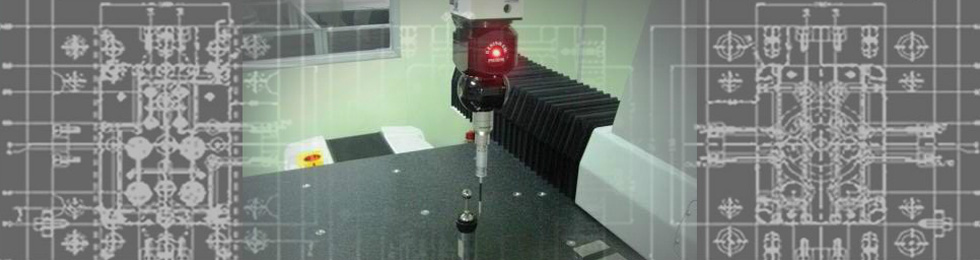
Precision in plastic injection molding depends on part design, resin behavior, mold construction, process control and inspection. Buyers should define critical dimensions and acceptance methods before tooling, then use molded samples to check whether the agreed requirements have been met.

China has emerged as a global industrial powerhouse and has played a crucial role in the evolution of plastic injection moulding. Chinese manufacturers have mastered the technique of plastic injection moulding to meet the demands of many sectors with their strong industrial infrastructure and emphasis on technical innovation. Modern techniques for injection mould are among the advanced machinery that China has integrated, enabling it to produce goods at a mass production efficiency that is unmatched. Furthermore, the nation's proficiency in 3D printing technology has enhanced plastic injection moulding's capabilities, resulting in quicker mould creation and prototyping.
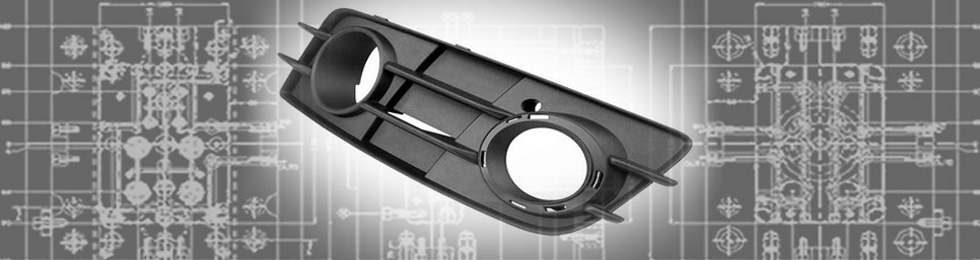
Melted plastic is injected into a mould cavity and allowed to cool and harden during the China plastic mould manufacturing process. This process's capacity to consistently create large quantities of intricate, complex parts in high volumes has made it a mainstay in a variety of sectors.
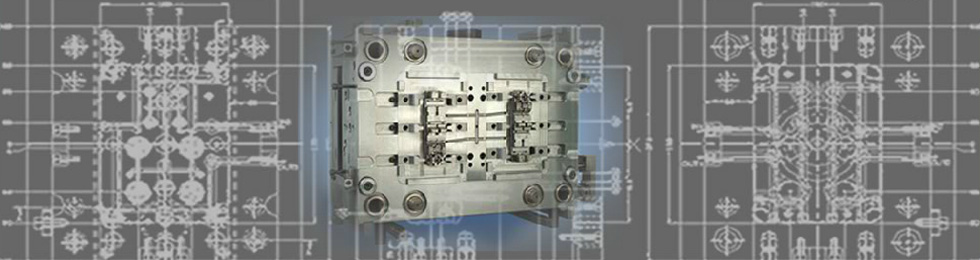
To start the process, a mould is created, generally out of metal, into which molten plastic is inserted. The quality, strength, and complexity of the finished product are all influenced by the mould's design. Modern methods create accurate and detailed moulds using sophisticated computer-aided design (CAD).
3D printing can support early geometry, handling and assembly reviews before injection tooling. A printed prototype does not by itself validate molded-part shrinkage, gate effects, cooling behavior or production repeatability. Confirm the selected resin and critical requirements using injection-molded samples; any proposed use of printed tooling needs a separate engineering review.
The capacity of plastic injection mould in China to create huge quantities of identical items is one of its main advantages. It is the perfect option for mass manufacturing, satisfying the needs of sectors ranging from consumer products to automobiles due to its high-speed production and repeatability.
Material selection should consider the application, resin grade, shrinkage, moisture conditioning and required mechanical or thermal properties. Choosing a material alone does not guarantee part performance. Agree on the relevant tests and acceptance criteria before approving tooling and production.
As technology advances, plastic injection moulding becomes an ever-evolving process. Design software, materials, and technological developments enable more sustainable and efficient production techniques. This approach continues to be at the forefront of shaping the future of the industrial sector in China as well as around the globe.
Review injection mold and plastic part quality control alongside your drawings. For a project review, send UTTMould your CAD files, critical dimensions, resin requirements and expected quantity. Feasibility and inspection scope must be agreed for the specific part.
Precision should be demonstrated through agreed measurements and sample approval, not assumed from the manufacturing method. Keep the drawing revision, resin specification, inspection results and approved samples aligned as the project moves from mold trials to production.
Follow Us: 


Copyright © 2026 UTTMould All Rights Reserved Sitemap XML Quality Inspection Checklist Injection Mold Guide