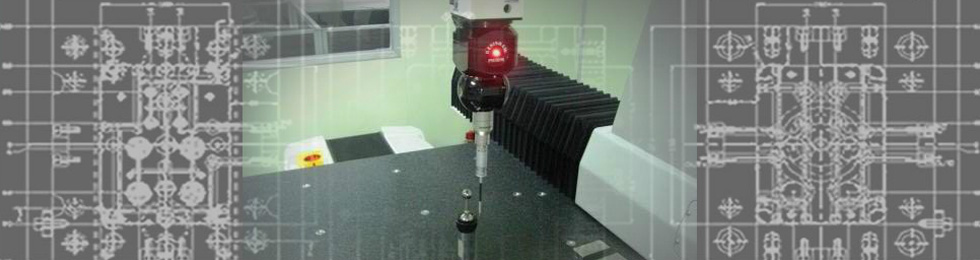
Imagine being able to produce thousands or perhaps millions of identical plastic parts with the same quality, shape, and finish in a matter of days. That's how China plastic injection molding works. This approach is not only useful for companies looking to scale up quickly, but it frequently becomes the foundation of large-scale production.
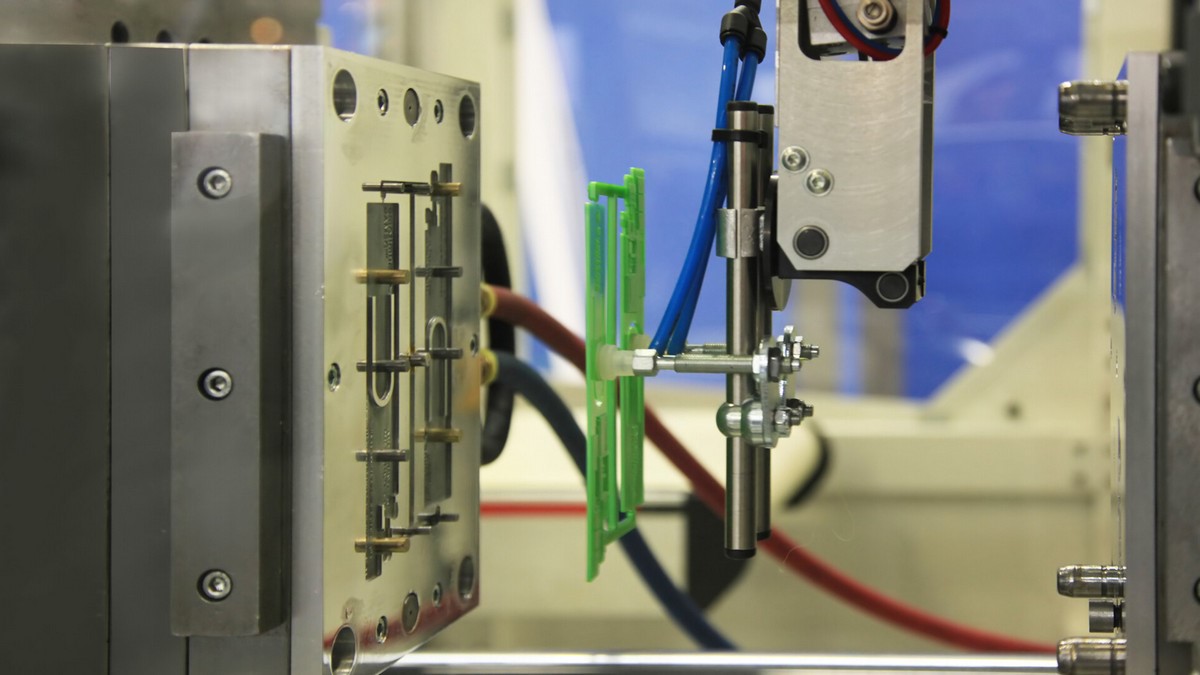
Choosing plastic injection molding gives you access to a number of benefits that become increasingly noticeable as production quantities increase:
鈼� Per鈥憉nit cost drops drastically: Making a mold can be expensive up front, but once the mold is in place, making more parts is surprisingly affordable. Production becomes much more efficient as volumes increase and the cost per part decreases.
鈼� Speed and volume go hand in hand: Modern injection molding machines can make numerous identical parts in a single run, and they can fire off components in a matter of seconds or minutes with multi-cavity molds. Large-batch manufacturing is timely and feasible because of this pace.
鈼� Uniform quality and precision, every time: Dimensional consistency and exact tolerances are consistently maintained because every part is made from the same mold. You get the same level of design accuracy whether it's the first or the thousandth item.
鈼� Low waste and resource鈥慹fficient production: Unlike subtractive techniques, injection molding uses only the material required, and any excess plastic is frequently recyclable. This lowers raw material prices and material waste, which is crucial when producing in large quantities.
鈼� Design flexibility meets scalability: It is possible to mold elaborate or sophisticated plastic pieces with curves, undercuts, and tiny details effectively. Scaling doesn't eliminate this flexibility; massive production runs can nevertheless reliably produce intricate, delicate pieces.
Many businesses use "Rapid Prototyping Services" to improve their designs prior to pouring thousands of parts via injection molding. These services help identify design issues early on and save time and money by assisting with the creation of early versions, whether functional or conceptual.
You lower the possibility of expensive mistakes once mold tooling and production start by using prototypes to validate form, fit, and function. This facilitates the transition to mass production, particularly if you intend to scale quickly.
Injection molding provides predictability for manufacturers growing their product lines or startups introducing consumer goods. You may place orders for batches of 10,000, 100,000, or more without requiring a correspondingly greater workforce, more overhead, or a significant logistical ramp-up after the setup is complete. You receive cost-effectiveness, speed, and quality, which results in higher profit margins, dependable delivery, and the capacity to quickly satisfy market demand.
Plastic injection molding is the most practical and reliable way to expand, whether your goal is to produce hundreds or hundreds of thousands of plastic components. You have a recipe that promotes expansion without turmoil when you combine that with international manufacturing centers that offer competitive pricing and supply-chain strength.
Doesn鈥檛 mold tooling cost too much to
justify injection molding?
It's true that the mold tooling does cost money up
front. However, after that, the cost of each extra part is far lower, and when
you create in large quantities, the cost spreads out, making each piece
significantly less expensive.
Can injection molding handle complex
designs or only simple shapes?
Yes, it can manage difficult geometries, including
undercuts, fine details, and irregular shapes with precise molds. Large-scale,
reliable replication of even complex designs is possible.
Is plastic waste high in injection molding?
Not at all. This procedure usually uses just enough
material for each item, greatly reducing raw material waste because surplus
plastic is frequently reusable.
Why use prototypes before going full鈥憇cale
manufacturing?
Prototypes are used to test design, fit, and functionality before purchasing
mold tools. This lowers the possibility of design errors, guaranteeing more
efficient and error-free large-scale production.
Is small鈥慴atch production practical with injection molding?
Injection molding works best when production is done
on a large scale, but it is typically not perfect. The cost per part is still
expensive for small batch or extremely low-volume runs because setup and
tooling expenses are not distributed over numerous units.
Part design, material, tolerance, cavity count, tool life, cycle time, inspection requirements and order volume all affect molding cost.
DFM review, prototype validation, mold trial feedback and inspection planning help reduce rework before scaling molded plastic part production.
UTTMould connects mold manufacturing, mold design, trial molding and quality control for production projects.
Follow Us: 


Copyright © 2026 UTTMould All Rights Reserved Sitemap XML Quality Inspection Checklist Injection Mold Guide